Replacement windows play a crucial role in enhancing the comfort and energy efficiency of your home. Over time, the windows in your house can suffer from wear and tear due to exposure to weather elements like rain, snow, and sun. These factors can compromise the insulation capability of your windows, leading to increased energy bills as you try to maintain a comfortable indoor climate.
The importance of replacement windows extends beyond just energy efficiency. Older windows might lack adequate security features, making your home more vulnerable to break-ins. Furthermore, outdated windows may not have the latest technology in terms of noise reduction, which can be particularly beneficial if you live in a noisy neighborhood or near busy streets.
Additionally, the aesthetic appeal of your home can be significantly improved with the installation of new windows. Old and deteriorating windows can make your home look aged and neglected, whereas modern replacement windows offer a variety of styles and materials to match any architectural design. This improvement can also potentially increase your home’s market value should you decide to sell in the future.
Signs You Need Replacement Windows
It’s important to know the common signs that indicate your home may need replacement windows. One such indication is increased energy bills. If you notice your heating or cooling costs rising despite no significant changes in energy usage, your windows might not be providing the insulation they once did. Replacing them could help to restore energy efficiency.
Another indication is visible signs of deterioration, such as cracked or chipped glass, warped frames, or difficulty opening and closing the windows. When windows become hard to operate, it can not only become a daily inconvenience but also a safety concern, especially in emergency situations. Warped frames specifically may lead to further issues, such as air leaks.
Drafts, condensation, or fogging between glass panes can also suggest the need for new windows. Drafts mean that the window seal isn’t functioning properly, leading to loss of indoor air quality and susceptibility to outdoor conditions. Condensation or fogging might indicate that the seals in double or triple-glazed windows have failed, undermining the window’s insulation properties.
Choosing the Right Replacement Windows
Once you recognize the need for replacement windows, choosing the right type is crucial. Consider the material and style that best fit your home’s needs and aesthetic preferences. Common materials include vinyl, wood, aluminum, and composite, each with unique benefits regarding durability, maintenance, and appearance.
Style is another vital aspect, as windows come in various designs such as double-hung, casement, awning, and sliding. Each style offers different levels of ventilation, ease of cleaning, and light entry. Double-hung windows, for instance, are classic and provide versatile ventilation options, while casement windows are ideal for maximum air entry and an unobstructed view.
Finally, be mindful of energy efficiency ratings when selecting replacement windows. Look for features like double or triple glazing, low-emissivity (Low-E) glass, and insulating gas fills to enhance efficiency. Certifications such as ENERGY STAR can also guide you in finding windows with superior energy performance, contributing to reduced energy costs and environmental impact.
The Installation Process and What to Expect
Understanding the window replacement process can help you prepare for what lies ahead. Initial assessments by professionals will ensure accurate measurements and the choice of suitable window types for your home. Installation quality is crucial, as even the best windows won’t perform well if not installed properly.
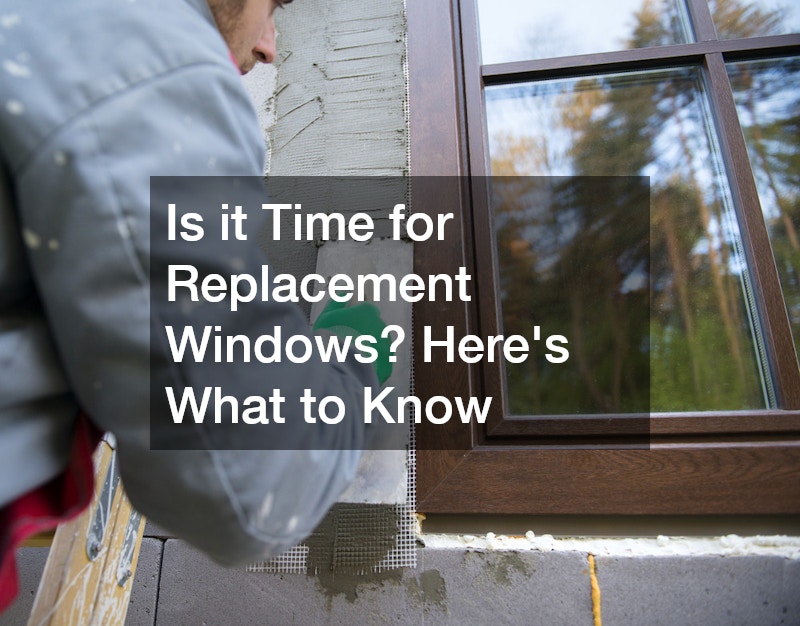
During installation, expect some degree of disruption in your home, but professional teams aim to minimize inconvenience. Typically, the process involves removing old windows carefully to avoid damage to surrounding structures, prepping areas for new installations, and ensuring a solid fit for all new windows. It’s essential to ensure that the installers properly seal all new windows to prevent air and water infiltration.
Post-installation, professionals will provide guidance on window maintenance and care. Regular cleaning and inspections can help prolong the life of your replacement windows and maintain their efficiency. Be sure to ask about warranties; many reputable companies offer warranties on the products and installation work for added peace of mind.
Benefits of Investing in Replacement Windows
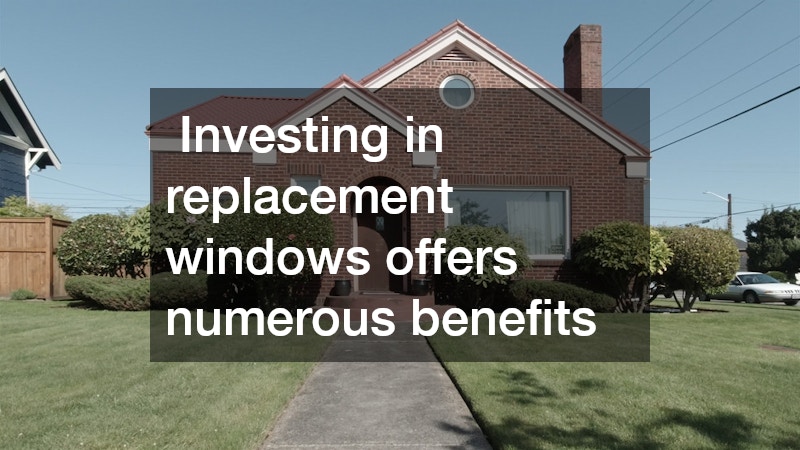
Investing in replacement windows offers numerous benefits, making it a worthwhile home improvement project. The most immediate and noticeable advantage is enhanced energy efficiency, potentially leading to lower heating and cooling costs. Improved insulation provided by quality replacement windows means your home can maintain a stable temperature more effectively.
Another significant benefit is enhanced comfort and reduced noise pollution. New windows with advanced glazing can significantly reduce the amount of external noise entering your home. This is especially beneficial in urban locations or near busy roads, providing a quieter and more relaxed living environment.
Furthermore, replacement windows can greatly enhance the overall appearance and value of your home. With diverse materials and designs available, they allow for customization to suit personal preferences and architectural styles. This curb appeal enhancement can be critical if you plan to sell your home, as new windows can be an attractive selling point for potential buyers.