
Late fall is a practical time to evaluate a home before winter weather becomes a daily concern. As temperatures drop, weaknesses in insulation, roofing, heating, electrical systems, and indoor air quality can become much more noticeable. Drafty rooms, high energy bills, inconsistent heating, roof leaks, and overloaded electrical systems are not simply inconveniences. They can indicate that a home needs maintenance or improvements before colder conditions place additional demands on it.
Some late-fall remodeling projects can also improve everyday comfort while preparing a property for the months ahead. Insulation improvements can help reduce heat loss, while roofing work can address water intrusion and weather damage. HVAC maintenance can improve heating performance, and electrical improvements can make a home better equipped for modern appliances and equipment. Homeowners can also take steps to improve indoor air quality as windows remain closed more often.
The key is to prioritize projects according to urgency, budget, and the condition of the existing systems. A thoughtful assessment can help determine which improvements should happen immediately and which can reasonably wait until spring.
What Are the Benefits of Using Spray Foam Insulation Service?

Understanding Spray Foam Insulation
Spray foam insulation is a material that expands after application and forms a continuous insulating barrier. Depending on the product and application, it can be used in areas such as walls, attics, crawl spaces, and other parts of a home’s envelope. Its ability to expand allows it to fill gaps and irregular spaces that can be difficult to address with traditional insulation.
A spray foam insulation service may be particularly useful when a home has noticeable air leakage or difficult-to-insulate areas. The goal is not simply to add more insulation but to create a more consistent barrier between conditioned indoor spaces and the outdoors.
Energy Efficiency Benefits
Late fall is an effective time to identify areas where heated air may be escaping. Poorly insulated walls, ceilings, and other building-envelope components can make heating systems work harder to maintain a comfortable temperature.
Improving insulation can reduce unwanted heat transfer and may help stabilize indoor temperatures. The actual energy savings depend on the home’s construction, existing insulation, air leakage, climate, and heating system, so homeowners should avoid assuming that any insulation project will produce a specific reduction in utility costs.
Cost Considerations
The cost of spray foam insulation varies according to the size of the area, accessibility, product type, and preparation required. Although spray foam can cost more initially than some conventional insulation materials, its air-sealing properties can make it useful in situations where controlling both heat transfer and air movement is important.
A professional assessment can help determine whether spray foam is appropriate or whether another insulation method would make more sense.
Impact on Indoor Comfort
Insulation improvements can make rooms feel less drafty and reduce temperature differences between areas of a home. This can be particularly noticeable in rooms located above garages, beneath poorly insulated attics, or near exterior walls.
Environmental Impact
Reducing unnecessary heat loss can potentially decrease the amount of energy required to heat a home. However, homeowners should also consider the manufacturing, installation, durability, and disposal characteristics of insulation products when evaluating their overall environmental impact.
How Important Is Attic Insulation for Late Fall?
Role of Attic Insulation in Energy Saving
Because warm air naturally rises, the attic can be an important part of a home’s thermal envelope. Insufficient insulation can allow heat to escape through the ceiling, making the heating system work harder.
Improving attic insulation may also help maintain more consistent temperatures throughout the house. Before adding material, however, homeowners should determine whether existing insulation is damaged, compressed, wet, or improperly installed.
Types of Attic Insulation Available
Fiberglass batts, blown-in fiberglass, cellulose, and spray foam are among the options available for attic applications. Each material has different characteristics involving cost, installation, air sealing, moisture management, and accessibility.
The appropriate choice depends on the construction of the attic and the homeowner’s goals. Ventilation should also be considered because adding insulation should not interfere with properly designed roof ventilation.
Signs Your Attic Needs Insulation
Cold ceilings, unusually cold upper rooms, inconsistent temperatures, and high heating demand can suggest inadequate insulation. Visible gaps or areas where insulation appears thin are also worth investigating.
Moisture problems, mold, and roof leaks should be addressed separately rather than simply covered with new insulation.
DIY vs Professional Installation
Some insulation projects are suitable for experienced homeowners, but attic work can involve electrical wiring, ventilation, moisture, confined spaces, and other hazards. Professional installation can help ensure that insulation is distributed correctly and that important building components remain accessible.
Finding a Qualified Local Insulation Contractor
A local insulation contractor can inspect the existing conditions and recommend an approach based on the home’s construction. Homeowners should ask about experience with similar properties, materials being proposed, ventilation requirements, and whether the estimate includes preparation and cleanup.
When Should You Consider Consulting Roofing Companies?
Indicators for Roofing Inspection
Late fall can expose roofing weaknesses through heavy rain, wind, and temperature changes. Missing or damaged shingles, deteriorated flashing, sagging areas, granule accumulation in gutters, and visible water stains inside the home are reasons to arrange an inspection.
Homeowners do not necessarily need a complete roofing project simply because a roof is aging. An inspection can distinguish between isolated repairs and broader deterioration.
Different Roofing Materials and Their Lifespan
Asphalt shingles are common residential roofing materials, while metal, slate, tile, and other systems are also used. Their service lives vary considerably based on material quality, installation, climate, maintenance, and exposure.
Understanding the existing roof’s age and material can provide useful context when deciding whether to repair or replace it.
Preventive Maintenance Tips
Keeping gutters clear, trimming branches away from the roof, checking flashing, and addressing minor damage can help prevent small problems from becoming larger ones. Homeowners should also watch for water stains in attic spaces and ceilings.
Cost Analysis of Roof Repair vs Replacement
A localized problem may be economical to repair, while widespread deterioration may justify replacement. Roofing companies can evaluate the condition of the shingles, underlayment, flashing, decking, and other components before providing recommendations.
The cheapest immediate repair is not always the most appropriate long-term solution if the underlying roof is nearing the end of its service life.
Choosing the Right Roofing Company
Homeowners should look for established contractors with appropriate licensing and insurance where required, clear written estimates, and verifiable references. The estimate should explain the proposed work and identify materials rather than providing only a broad price.
Is Roof Replacement Necessary Before Winter?
Causes of Roof Deterioration
Roofing materials can deteriorate from age, ultraviolet exposure, wind, hail, moisture, temperature fluctuations, and improper installation. Repeated exposure to harsh weather can eventually compromise the roof’s ability to shed water.
Assessing Roof Damage
A professional inspection can determine whether damage is isolated or widespread. Problems involving the roof deck, flashing, ventilation, or underlying moisture may not be obvious from ground level.
Benefits of Timely Roof Replacement
If a roof is already failing, completing a roof replacement before severe winter weather can reduce the likelihood of leaks and emergency repairs. It can also prevent water from reaching insulation, framing, ceilings, and other interior components.
Weather Considerations for Replacement
Late-fall roofing work must account for temperature, precipitation, wind, and the manufacturer’s installation requirements. Some roofing materials require specific conditions for proper installation and sealing.
Scheduling Replacement with Contractors
Homeowners should not wait until the first major winter storm to begin contacting contractors if replacement appears likely. Planning early provides more time to compare estimates, select materials, and schedule work around weather conditions.
How Can HVAC Companies Help Improve Heating Efficiency?
Evaluating Existing HVAC Systems
An HVAC evaluation can identify issues involving airflow, controls, ductwork, filters, combustion systems, and equipment performance. A system that runs constantly or struggles to maintain the thermostat setting may need maintenance or further diagnosis.
Options for Upgraded HVAC Systems
If an existing system is approaching the end of its useful life, homeowners can compare replacement options based on efficiency, capacity, operating costs, and compatibility with the home’s ductwork or electrical service.
Understanding Furnace Service
Routine furnace service can include inspection, cleaning, testing, and adjustment of relevant components. Maintenance is especially useful before the system is subjected to continuous winter operation.
Maximizing Efficiency of Existing Systems
Simple improvements can also help. Replacing dirty filters, keeping supply and return vents unobstructed, and sealing obvious duct leaks can support proper airflow. Programmable or smart thermostats may also help manage heating schedules.
The Role of HVAC Companies in Regular Maintenance
Professional HVAC companies can establish maintenance schedules and identify problems before they become heating emergencies. Regular inspections may also help extend equipment life by catching worn or malfunctioning components.
What Are the Key Aspects of a Furnace Service?
Importance of Regular Furnace Maintenance
A furnace is a critical winter appliance, making maintenance more important as heating demand increases. Inspection can reveal problems that may otherwise remain unnoticed until the system stops operating.
Common Furnace Issues in Late Fall
Dirty filters, ignition problems, malfunctioning thermostats, worn blower components, restricted airflow, and unusual noises are among the issues homeowners may encounter. Carbon monoxide concerns are another reason fuel-burning equipment should be properly maintained and vented.
Signs You Need Furnace Repair or Replacement
Frequent cycling, inconsistent temperatures, unusual odors, rising operating costs, repeated repairs, and unexplained noises can warrant professional evaluation. Replacement may make more sense when an older system has significant problems and poor efficiency, but the decision should be based on the equipment’s condition and repair costs.
Understanding Furnace Efficiency Ratings
Efficiency ratings provide a way to compare how effectively furnaces convert fuel into usable heat. Homeowners should consider efficiency alongside equipment size, installation quality, fuel costs, and expected operating conditions rather than choosing a system based on the rating alone.
Choosing the Right Furnace for Your Home
Correct sizing is essential. An oversized furnace may cycle frequently, while an undersized unit may struggle during extremely cold weather. A qualified professional can calculate the home’s heating requirements and recommend equipment accordingly.
Why Should You Hire Certified Electricians?
The Importance of Licensed Professionals
Electrical work can involve serious shock and fire hazards. Qualified electricians understand applicable electrical codes, proper installation practices, grounding requirements, and equipment specifications.
Using a professional is especially important for work involving service equipment, new circuits, wiring changes, or other modifications that may require permits and inspections.
Common Electrical Issues in Older Homes
Older homes may have outdated wiring, insufficient circuits, damaged outlets, deteriorated connections, or electrical systems that were never designed for today’s appliances. Flickering lights, frequently tripped breakers, warm outlets, and persistent electrical odors should not be ignored.
Home Safety and Electrical Checks
An electrical inspection can help identify potential hazards before they cause damage. Homeowners should also avoid using extension cords as permanent substitutes for properly installed circuits.
Benefits of Hiring Local Electricians
Local electricians are familiar with regional requirements and can often provide faster service when an urgent issue occurs. They may also understand common construction characteristics in older homes in the area.
Evaluating Electricians’ Credentials and Reviews
Homeowners should verify licensing where applicable, insurance coverage, relevant experience, and customer reviews. A detailed written estimate is also preferable to an informal price provided without explaining the scope of work.
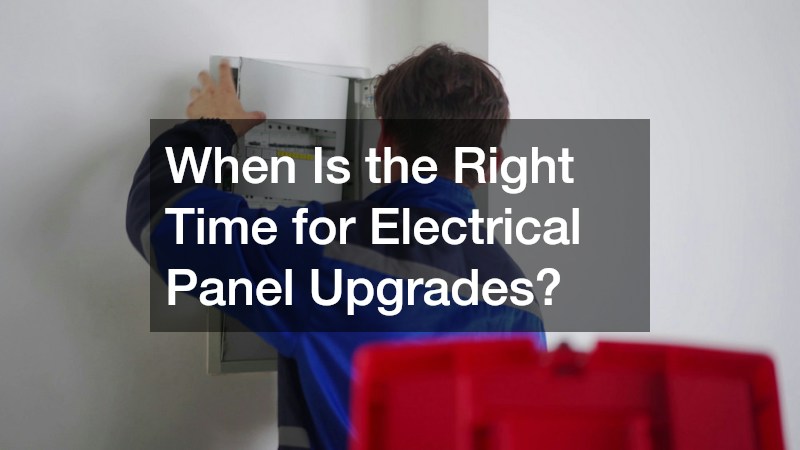
When Is the Right Time for Electrical Panel Upgrades?
Signs Your Electrical Panel Needs an Upgrade
Frequent breaker trips, inadequate circuit capacity, visible panel damage, overheating, or an inability to accommodate necessary circuits can indicate that an electrical panel requires evaluation.
A panel upgrade may also become relevant when homeowners add major electrical loads such as heat pumps, electric vehicle chargers, workshops, or large appliances.
Benefits of Upgrading Electrical Panels
Modernizing the electrical service can provide additional capacity and improve compatibility with newer equipment. It can also address certain safety concerns associated with obsolete equipment, depending on the condition and design of the existing system.
Planning and Budgeting for Upgrades
The cost of electrical panel upgrades depends on the panel, service capacity, wiring changes, permits, labor, and other modifications. Homeowners should discuss both current and anticipated electrical needs before choosing equipment.
Choosing the Right Electrical System for Your Needs
A panel should have sufficient capacity for the home’s actual and expected electrical demand. Installing a larger panel simply for the sake of having more spaces does not necessarily solve an underlying service-capacity problem.
Coding and Safety Considerations
Electrical work should comply with applicable codes and permit requirements. A qualified electrician can determine whether additional grounding, service modifications, or other work is necessary.
How Can You Enhance Indoor Air Quality During Fall?
Common Indoor Pollutants and Their Sources
Dust, pet dander, combustion byproducts, volatile organic compounds, and excess moisture can affect indoor air. Because homes are generally kept closed more often during colder weather, pollutants may accumulate.
Impact of HVAC Systems on Air Quality
HVAC equipment circulates indoor air, making clean filters and properly maintained components important. Poorly maintained equipment or ductwork can contribute to dust distribution and other problems.
Investing in Air Purification Systems
Depending on the home’s needs, homeowners may consider higher-efficiency filtration, portable air cleaners, whole-home filtration, or other purification technologies. The appropriate option depends on the pollutant being addressed.
Simple Home Modifications for Better Air Quality
Regular cleaning, controlling moisture, using kitchen and bathroom exhaust fans, maintaining filters, and keeping combustion appliances properly vented can all support healthier indoor conditions.
Long-term Strategies for Maintaining Air Quality
Indoor air quality should be treated as an ongoing aspect of home maintenance. Controlling moisture, maintaining HVAC equipment, addressing leaks, and periodically evaluating ventilation can provide more consistent results than relying on a single purification device.
How to Select Reliable Local Insulation Contractors?
Researching and Comparing Contractors
Homeowners should compare contractors based on experience, materials, scope of work, warranties, and reputation rather than simply selecting the lowest estimate. A contractor who clearly explains the proposed improvements can make it easier to understand what the project actually includes.
Questions to Ask During Consultations
Useful questions include what insulation material is recommended, what existing problems must be corrected first, how ventilation will be handled, and how the contractor will protect the home during installation.
Understanding Contractor Estimates
A detailed estimate should explain the areas being insulated, material type, approximate quantity or coverage, labor, preparation, cleanup, and any additional work. Comparing estimates is difficult when each contractor defines the project differently.
Verifying Insurance and Licensing
Homeowners should confirm appropriate insurance coverage and any required licensing or registration. This can help reduce the risks associated with hiring an unqualified contractor.
Reading Reviews and Testimonials
Reviews can reveal patterns involving communication, punctuality, workmanship, and follow-through. Homeowners should consider multiple sources rather than relying on a single testimonial.
Closing Thoughts
Late fall remodeling is not necessarily about completing every possible home improvement before winter. It is about identifying the projects that can make the greatest difference in comfort, efficiency, durability, and safety during the colder months.
Insulation improvements can reduce unwanted heat transfer, while roofing inspections can identify vulnerabilities before snow and ice arrive. Furnace maintenance can help prepare heating equipment for sustained operation, and electrical inspections can reveal problems that deserve attention before they become emergencies. Improvements to ventilation and filtration can also support better indoor conditions while homes remain closed up during cold weather.
The best approach is to evaluate the condition of the home as a connected system. Roofing and insulation affect moisture and energy performance, HVAC equipment depends on proper airflow, and electrical capacity can determine whether newer heating or home technologies can be installed safely. By prioritizing urgent repairs and planning larger remodeling projects carefully, homeowners can enter winter with greater confidence while making improvements that remain valuable long after the season ends.