Owning a home is both a privilege and a responsibility. Beyond providing shelter, a home must support daily routines, protect occupants from the elements, and maintain its value. While decorative updates can improve appearance, the most meaningful upgrades enhance function, durability, and efficiency. These improvements boost daily comfort and influence how a home is perceived by buyers, inspectors, and appraisers.
Many homeowners approach upgrades reactively, addressing problems only when systems fail or surfaces deteriorate, often leading to higher costs and rushed decisions. A proactive strategy allows prioritization based on long-term value. Thoughtful improvements reinforce one another and create a more resilient, efficient property. Functional layouts reduce frustration, durable materials minimize maintenance, and efficient systems lower operating costs, benefits noticed by occupants and buyers alike. This article explores essential upgrades that strengthen usability and long-term value, helping homeowners make informed decisions that maximize return and improve everyday living.
Evaluating Your Home Before Upgrading

Before investing in any upgrades, homeowners should begin with a comprehensive evaluation of their property. Without a clear understanding of existing conditions, it is easy to overspend on cosmetic changes while overlooking functional or structural issues. A thorough assessment helps ensure that upgrades address real needs rather than temporary trends.
Start by viewing your home as a buyer or inspector would. Walk the property slowly, noting areas that show wear, inefficiency, or neglect. Look for signs of moisture intrusion, uneven surfaces, outdated layouts, or materials nearing the end of their lifespan. Interior spaces should be evaluated for functionality, storage efficiency, and workflow, while exterior areas should be assessed for safety, drainage, and structural integrity.
Key evaluation steps include:
- Walking the entire interior and exterior to identify visible damage
- Inspecting high-use areas for wear and performance issues
- Reviewing the age of major systems and materials
- Identifying safety hazards or code concerns
- Comparing your home’s condition to similar nearby properties
Beyond surface observations, homeowners should consider how different systems interact. For example, poor drainage near driveways or fencing can contribute to foundation issues, while outdated kitchens or bathrooms may strain plumbing and electrical systems. Taking photos and keeping written notes allows homeowners to track changes over time and create a prioritized upgrade plan.
This evaluation stage is also an ideal time to consult professionals for opinions without committing to work. Early guidance can prevent missteps and ensure that future investments deliver meaningful improvements rather than short-lived visual appeal.
Improving Kitchen Functionality and Layout
The kitchen is one of the most heavily used spaces in any home, making functionality just as important as appearance. A kitchen that looks attractive but lacks efficient workflow or adequate storage can quickly become a source of frustration. Thoughtful upgrades improve daily usability while increasing long-term value.
Working with experienced kitchen contractors allows homeowners to identify layout inefficiencies and address them strategically. Improvements often focus on enhancing workflow between cooking, cleaning, and storage zones. Even modest layout changes can significantly improve functionality without requiring full structural renovations.
Common kitchen upgrades include:
- Reconfiguring cabinets to improve storage access
- Adding task lighting to prep and cooking areas
- Upgrading countertops for durability and ease of maintenance
- Improving appliance placement for better workflow
Beyond physical improvements, kitchen upgrades can reduce daily stress and improve energy efficiency. Modern layouts reduce unnecessary movement, while upgraded materials resist wear and simplify cleaning. Storage improvements eliminate clutter, making the space feel larger and more organized.
A functional kitchen also appeals strongly to buyers. Kitchens that feel intuitive and well-maintained suggest overall home care, reducing buyer hesitation. By prioritizing usability over trends, homeowners ensure their investment remains relevant and valuable for years to come.
Enhancing Bathroom Comfort and Efficiency
Bathrooms directly affect daily comfort, hygiene, and long-term home value. Outdated fixtures, poor ventilation, and inefficient layouts can make bathrooms feel cramped and difficult to maintain. Thoughtful upgrades improve usability while also addressing moisture control and energy efficiency.
Professional bathroom remodeling services help homeowners evaluate layout limitations and upgrade materials that withstand humidity and heavy use. Improvements often focus on improving airflow, updating fixtures, and selecting surfaces designed for durability and ease of cleaning.
High-impact bathroom upgrades include:
- Installing water-efficient toilets and fixtures
- Improving ventilation to reduce moisture buildup
- Replacing worn flooring and wall surfaces
- Upgrading lighting for visibility and safety
Beyond visible upgrades, modern bathroom improvements often include enhanced plumbing connections, moisture-resistant backer boards, and better insulation. These behind-the-scenes upgrades protect surrounding structures from water damage and mold growth. Improved ventilation systems reduce humidity levels, extending the life of finishes and improving indoor air quality.
Bathrooms that feel clean, bright, and functional create strong positive impressions. Buyers often scrutinize bathrooms closely, making well-maintained spaces a powerful value signal. Upgrades that balance comfort, durability, and efficiency deliver both immediate enjoyment and long-term financial return.
Strengthening Driveways and Access Areas
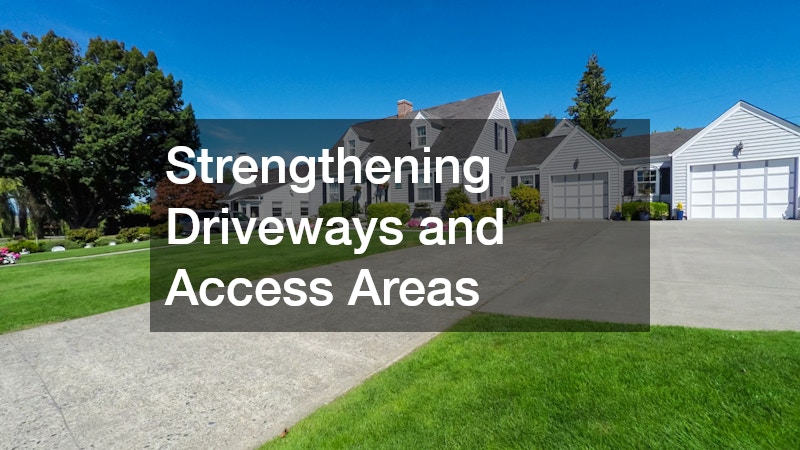
Driveways serve both functional and visual roles, guiding vehicles safely to the home while contributing significantly to curb appeal. Cracked, stained, or uneven surfaces can detract from the appearance of an otherwise well-maintained property and raise safety concerns.
Driveway resurfacing offers a practical way to restore surface integrity without the cost of full replacement. When coordinated with experienced driveway companies, homeowners can address underlying wear while improving visual consistency and durability.
Benefits of driveway improvements include:
- Improved surface appearance and color uniformity
- Reduced cracking and moisture penetration
- Enhanced safety for vehicles and pedestrians
- Extended lifespan of existing pavement
Driveway upgrades should be evaluated alongside drainage patterns, landscaping, and fencing. Poor water flow can accelerate surface deterioration, making drainage improvements a valuable complement. Coordinating resurfacing with other exterior upgrades minimizes disruption and creates a cohesive finished look.
Well-maintained driveways subtly communicate care and quality. Buyers often notice entry paths immediately, and a smooth, clean surface reinforces positive first impressions. Functional improvements combined with visual upgrades ensure long-term value and reduced maintenance costs.
Protecting the Home With Smart Roofing Decisions
Roofing is one of the most critical systems in a home, protecting interiors from weather, moisture, and temperature extremes. Even minor roofing issues can escalate into significant structural damage if left unaddressed.
Working with a trusted roofing company ensures accurate assessments and professional installation practices. For homeowners prioritizing durability and longevity, metal roofing offers resistance to extreme weather and extended service life compared to traditional materials.
Key roofing considerations include:
- Inspecting shingles, flashing, and seals regularly
- Ensuring proper attic ventilation and insulation
- Addressing minor leaks before they spread
- Selecting materials suited to local climate conditions
Roofing upgrades influence energy efficiency by improving insulation and reducing heat transfer. Proper ventilation helps regulate attic temperatures, reducing strain on HVAC systems. Durable roofing materials minimize maintenance demands and provide peace of mind during severe weather events.
A strong roof reassures buyers and inspectors alike. Homes with documented roofing upgrades often face fewer inspection-related negotiations, preserving value and shortening selling timelines. Strategic roofing decisions protect the entire home while enhancing long-term resilience.
Planning Roof Replacements Strategically
When repairs are no longer sufficient, a full roof install becomes a necessary investment rather than an optional upgrade. Planning this process carefully allows homeowners to maximize durability, minimize disruption, and protect surrounding systems. Timing, material selection, and contractor coordination all influence long-term performance.
Roof replacement projects often involve:
- Selecting materials appropriate for climate and home design
- Coordinating installation during favorable weather conditions
- Verifying ventilation and insulation compatibility
- Reviewing warranties and maintenance expectations
A roof replacement should be evaluated alongside insulation, gutter systems, and attic ventilation. Installing a new roof without addressing these supporting components can limit performance gains. Improved insulation reduces heat transfer, while proper ventilation prevents moisture buildup that shortens roof lifespan.
Scheduling a roof replacement during broader exterior upgrades can also reduce labor overlap and improve efficiency. For example, replacing roofing before repainting siding or upgrading gutters minimizes rework. Homes with recently installed roofs often command stronger buyer interest and fewer inspection contingencies, reinforcing the value of strategic planning.
Upgrading Fencing for Security and Appearance
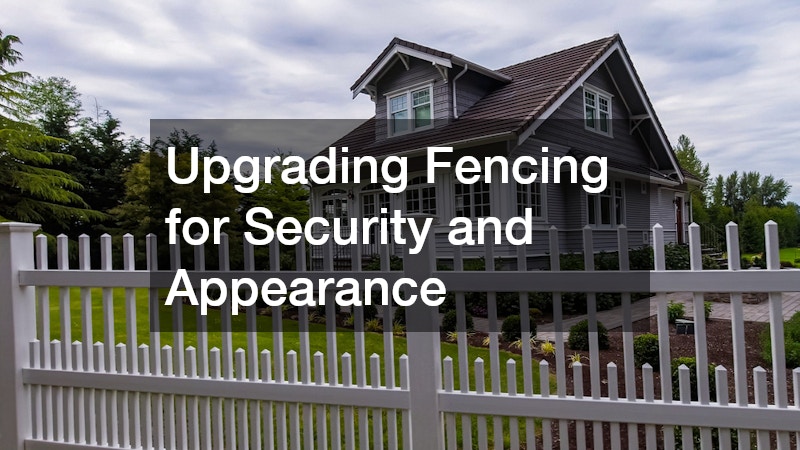
Fencing serves multiple purposes, including defining boundaries, enhancing privacy, and supporting outdoor safety. Over time, exposure to weather and ground movement can weaken structural components, making maintenance and upgrades essential.
Professional fence companies can assess material condition and recommend upgrades that improve durability and visual appeal. Even a single improvement, such as reinforcing a fence gate, can significantly enhance usability and security.
Fence upgrade priorities include:
- Reinforcing or replacing unstable posts
- Repairing warped or damaged panels
- Upgrading hardware for smoother operation
- Applying protective coatings to extend lifespan
Beyond basic repairs, upgraded fencing improves outdoor functionality by supporting pets, children, and secure storage areas. Well-maintained fences contribute to neighborhood cohesion and signal responsible ownership. Buyers often view fencing as an extension of the home’s safety infrastructure, making upgrades particularly valuable in family-oriented markets.
Routine inspections and timely repairs prevent small issues from escalating into full replacements. By maintaining fencing proactively, homeowners preserve aesthetics, reduce liability risks, and enhance long-term property value.
Coordinating Interior and Exterior Improvements
The most effective upgrades are those planned as part of a cohesive strategy rather than isolated projects. Interior improvements lose impact when exterior elements show neglect, and exterior upgrades feel incomplete if interior spaces lag behind.
Benefits of coordinated planning include:
- Consistent quality across visible areas
- Reduced redundant labor and material costs
- Improved project scheduling efficiency
- Stronger overall property presentation
Homeowners should align timelines for kitchen, bathroom, roofing, driveway, and fencing upgrades whenever possible. This coordination reduces disruption and allows contractors to sequence work logically. For example, completing roofing work before interior ceiling repairs prevents damage to new finishes.
A cohesive approach also helps maintain budget control. Grouping related projects allows for bulk purchasing, shared labor, and streamlined inspections. Homes that demonstrate balanced interior and exterior care are more attractive to buyers and appraisers, reinforcing the value of coordinated upgrades.
Budgeting and Prioritizing Home Upgrades
Effective home improvement requires careful budgeting and prioritization. Even with the best intentions, resources are finite, so homeowners must make informed decisions that maximize both functionality and long-term value. Prioritization ensures critical systems are addressed first, while discretionary upgrades can follow based on budget and timeline flexibility.
Key steps for budgeting and prioritization include:
- Listing all needed upgrades with estimated costs
- Categorizing projects by urgency and safety implications
- Comparing DIY versus professional service options
- Scheduling high-impact upgrades first to prevent further damage
- Setting aside an emergency fund for unexpected repairs
Prioritization should also account for return on investment. Projects that improve energy efficiency, structural integrity, or safety typically deliver the greatest financial and functional benefits. For instance, a new roof or updated HVAC system may cost more initially but reduce long-term maintenance and operating costs. Similarly, driveway resurfacing or a repaired fence can prevent property damage that would be significantly more expensive to fix later.
Homeowners should track expenditures and document professional services and materials purchased. This record not only helps with financial planning but also enhances resale appeal by demonstrating that upgrades were performed responsibly. Coordinated budgeting ensures that projects progress smoothly without leaving critical areas neglected, resulting in a safer, more valuable, and more comfortable home.
Long-Term Maintenance After Upgrades
Completing upgrades is only part of maintaining home function and value; ongoing maintenance is equally critical. Even high-quality installations deteriorate without consistent care. Long-term maintenance plans extend the life of improvements, prevent costly emergencies, and preserve the aesthetic and functional benefits of renovations.
Best practices for post-upgrade maintenance include:
- Scheduling regular inspections for roofs, plumbing, and HVAC systems
- Maintaining fencing, gates, and hardscape surfaces such as driveways
- Cleaning and servicing kitchen and bathroom systems to prevent wear
- Documenting maintenance to track service intervals and detect early issues
- Adjusting plans seasonally, such as sealing driveways before winter or clearing gutters in the fall
Preventive maintenance minimizes wear and tear. Periodic cleaning and sealant applications on driveways reduce cracking and erosion, while trimming trees near fencing or roofs prevents storm damage. Kitchens and bathrooms benefit from regular checks of plumbing and caulking to prevent leaks, mold, and deterioration. Documenting these actions creates a record that can enhance resale value and demonstrate diligent care.
Long-term maintenance also provides peace of mind. Routine monitoring reduces emergency scenarios and ensures daily comfort and safety. Structured upkeep transforms upgrades into sustainable investments, creating a home that functions optimally for years.
Essential upgrades improve both the function and value of a home. By addressing kitchens, bathrooms, roofs, driveways, fencing, and interior systems strategically, homeowners create safer, more efficient, and enjoyable spaces. Coordinating planning, professional services, and ongoing maintenance maximizes return, reduces costs, and strengthens long-term property value. Well-maintained, thoughtfully improved homes enrich daily life and remain highly desirable for years to come.