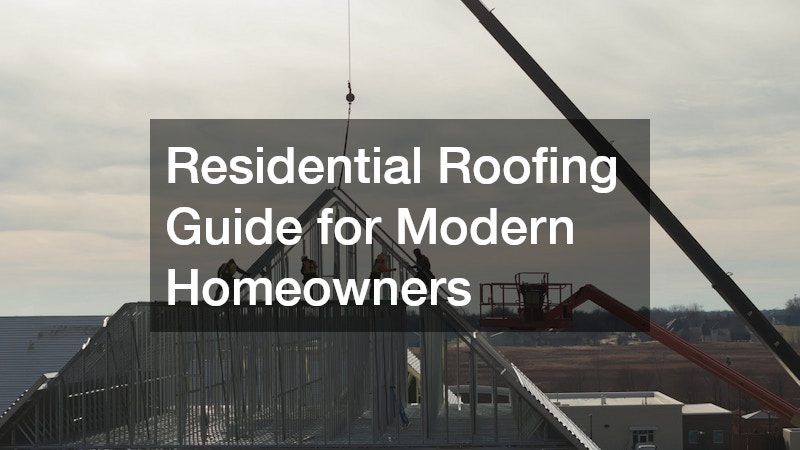
Your roof is one of the most important structural elements of your home, yet it’s often overlooked until something goes wrong. For modern homeowners, staying proactive about roof care isn’t just about preventing leaks-it’s about protecting your investment, improving energy efficiency, and maintaining curb appeal.
Whether you’re dealing with aging materials, planning upgrades, or simply trying to understand your options, having a clear, practical guide can make all the difference. This in-depth resource will walk you through how to assess your roof, choose the right professionals, manage costs, and extend the life of your system with smart decisions.
How to Evaluate Your Roof’s Current Condition Before Making Decisions
Before making any major decisions, it’s essential to understand the current state of your roof. Many homeowners wait until a visible leak appears, but by then, the damage may already be extensive. A proactive inspection allows you to catch early warning signs that are often easy and inexpensive to fix. This step is especially important in residential roofing because environmental exposure can vary greatly depending on your location. Wind, rain, sun, and seasonal changes all contribute to gradual wear and tear. By taking time to evaluate your roof regularly, you can extend its lifespan and avoid emergency situations. Even a basic understanding of your roof’s condition puts you in a much stronger position when discussing options with professionals.
Start with a Visual Inspection
You don’t need to climb onto your roof to spot early warning signs. Instead:
- Walk around your home and look for missing or curling shingles
- Check for sagging areas or uneven rooflines
- Inspect flashing around chimneys and vents
- Look for granules collecting in gutters
Check Inside Your Home
Your attic can reveal hidden issues:
- Water stains or damp insulation
- Mold or mildew smells
- Sunlight peeking through the roof boards
Know When to Call for Help
If you notice persistent leaks, structural sagging, or widespread damage, it’s time to consider a professional roof repair service. Early intervention can prevent small issues from turning into expensive repairs.
Create a Simple Checklist
Keeping a seasonal checklist helps you stay organized and proactive with your inspections. Track visible damage, gutter performance, and any interior warning signs over time. This habit not only helps you notice changes early but also provides useful documentation if you ever need to file an insurance claim. Staying consistent with inspections ensures that minor problems are handled before they escalate into major repairs. Over time, this simple routine can save you thousands of dollars and significantly extend the life of your roof.
How to Choose the Right Professional for Your Roofing Project
Choosing the right professional is one of the most important decisions you’ll make as a homeowner. Not all contractors deliver the same level of quality, and selecting the wrong one can lead to costly mistakes and delays. Working with experienced local roofers gives you an advantage because they understand regional weather conditions and building requirements. A qualified roofing contractor will not only complete the job correctly but also guide you through the process with transparency. Taking the time to properly vet candidates ensures you receive quality workmanship and long-term value. This step is critical whether you’re planning a repair, upgrade, or full replacement.
What to Look For
When evaluating professionals, prioritize:
- Proper licensing and insurance
- Proven experience with similar homes
- Strong online reviews and references
- Clear, written estimates
Questions to Ask Before Hiring
A reputable contractor should confidently answer:
- How long have you been in business?
- Do you provide warranties on labor and materials?
- Can you share recent project examples?
- What is your estimated timeline?
Red Flags to Avoid
Be cautious if you encounter:
- Extremely low bids compared to others
- Pressure to sign contracts quickly
- Lack of documentation or credentials
- Poor communication
Why Local Expertise Matters
Working with professionals in your area ensures they are familiar with local regulations and climate challenges. They can recommend materials and solutions that perform well in your specific environment. In addition, local companies are often easier to reach for follow-up service or warranty support. Building a relationship with a trusted contractor also gives you peace of mind for future projects. Over time, this partnership can be incredibly valuable for maintaining your home.
Understanding Different Roofing Materials and Their Long-Term Value
Selecting the right roofing material is a decision that impacts your home for decades. Different materials offer varying levels of durability, energy efficiency, and aesthetic appeal. Many homeowners focus only on upfront cost, but long-term performance is just as important. A knowledgeable roofer can help you weigh the pros and cons of each option based on your needs. Professional roofing services often provide guidance on materials that best match your climate and budget. By understanding your choices, you can make a more informed and confident decision. This step ensures your roof performs well while complementing your home’s design.
Common Roofing Materials
Most options include:
- Asphalt shingles
- Metal roofing
- Clay or concrete tiles
- Composite materials
Factors to Consider
When choosing materials, think about:
- Climate and weather exposure
- Budget constraints
- Desired lifespan
- Aesthetic preferences
Long-Term Value
Higher-quality materials may cost more initially but often require less maintenance and last significantly longer. Investing in durable materials can reduce the frequency of repairs and replacements. Over time, this leads to better overall value and fewer disruptions. Making a thoughtful material choice now helps ensure your roof continues to perform well for years to come.
Step-by-Step Breakdown of a Modern Roof Installation Process
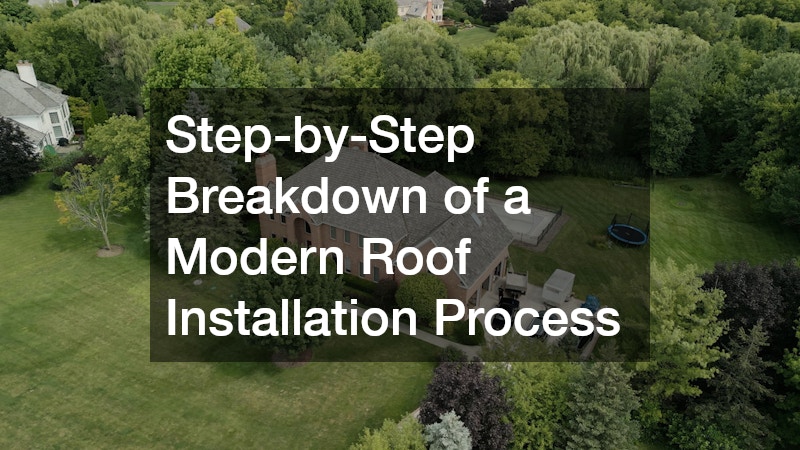
Understanding how a roof installation works can help you feel more prepared and confident throughout the project. Many homeowners are unsure what to expect, which can lead to unnecessary stress. A reputable roof company will guide you through each phase, from preparation to final inspection. Knowing the steps involved allows you to plan ahead and minimize disruptions to your daily routine. The process is typically straightforward, but proper preparation makes a big difference in the overall experience. Being informed also helps you communicate more effectively with your contractor. This ensures the project stays on track and meets your expectations.
Pre-Installation Preparation
A typical process begins with:
- Inspection and measurements
- Permit acquisition
- Material selection and delivery
Installation Timeline
Here’s what usually happens:
- Removal of old materials
- Inspection of the underlying structure
- Repairs to the decking if needed
- Installation of underlayment
- Placement of new roofing materials
- Final inspection and cleanup
How to Prepare Your Home
Before work begins:
- Move vehicles away from the driveway
- Protect valuables in your attic
- Inform neighbors about potential noise
After Installation
Once the project is complete, take time to review the finished work with your contractor. Ensure all debris has been removed and that the property is clean. Ask for documentation, including warranties and maintenance recommendations. Scheduling a follow-up inspection can help confirm everything is functioning properly. Taking these final steps ensures you get the most value from your new roof.
When Repairs Make Sense and When Replacement Is the Better Option
Deciding between repair and replacement is a common challenge for homeowners. While repairs are often more affordable in the short term, they may not always be the best long-term solution. Understanding the condition and age of your roof is key to making the right choice. A professional roof repair service can assess whether damage is isolated or widespread. In some cases, repeated fixes can end up costing more than a full upgrade. Evaluating your options carefully helps you avoid unnecessary expenses and frustration. Making an informed decision ensures your home remains protected and structurally sound.
When Repairs Are Enough
Repairs are ideal when:
- Damage is localized
- The roof is relatively new
- Structural integrity is intact
When Replacement Is Necessary
Consider roofing replacements if:
- Your roof is older
- Damage is widespread
- You experience recurring leaks
Cost Comparison
- Repairs: Lower upfront cost
- Replacement: Higher initial investment but long-term savings
Practical Tip
If repair costs continue to add up, it may be time to consider a more permanent solution. Replacing your roof can improve energy efficiency and reduce ongoing maintenance needs. While the initial cost may be higher, it often pays off over time. Carefully weighing both options ensures you make the best decision for your home and budget.

Smart Budgeting Tips to Avoid Overspending on Roofing Projects
Roofing projects can represent a significant financial investment, which is why proper budgeting is essential. Without a clear plan, costs can quickly spiral out of control. Working with a reputable roof company helps you understand pricing and avoid unexpected expenses. Many roofing services provide detailed estimates that break down material and labor costs. Taking the time to compare multiple quotes gives you a clearer picture of what to expect. Budgeting isn’t just about finding the lowest price-it’s about maximizing value. A well-planned budget ensures your project stays on track without sacrificing quality.
Understand Cost Factors
Pricing typically depends on:
- Material type
- Roof size and complexity
- Labor requirements
- Accessibility
Tips for Staying on Budget
- Get multiple quotes
- Compare details, not just totals
- Ask about warranties
Watch for Hidden Costs
Be aware of:
- Structural repairs
- Permit fees
- Disposal costs
Financing Options
Exploring financing options can make large projects more manageable. Many contractors offer payment plans that spread costs over time. You may also be able to use home improvement loans or insurance coverage, depending on the situation. Planning ahead financially reduces stress and allows you to focus on the quality of the work. With the right approach, you can complete your project without compromising your budget.
How Modern Roofing Technology Improves Durability and Efficiency
Modern advancements have significantly improved the performance and lifespan of today’s roofing systems. Homeowners now have access to innovative solutions that enhance durability and energy efficiency. One example is the use of roof metal decking services, which provide a strong and reliable foundation for certain types of roofs. These systems are especially beneficial in areas prone to harsh weather conditions. Advances in residential roofing also include improved insulation and reflective materials. These technologies help regulate indoor temperatures and reduce energy consumption. Staying informed about these options allows you to make smarter upgrades for your home.
What Is Metal Decking?
Metal decking provides structural support and enhances durability. It is commonly used in modern designs and areas requiring additional strength.
Energy Efficiency Innovations
- Reflective coatings
- Insulated panels
- Solar-ready systems
Benefits of Upgrading
- Lower energy bills
- Improved weather resistance
- Longer lifespan
When It Makes Sense
Upgrading your roofing system can be a smart investment if your current setup struggles with efficiency or durability. Incorporating modern materials can improve comfort and reduce long-term costs. These improvements also increase your home’s overall value. Taking advantage of new technology ensures your roof performs at its best for years to come.
Maintenance Habits That Extend the Life of Your Roof
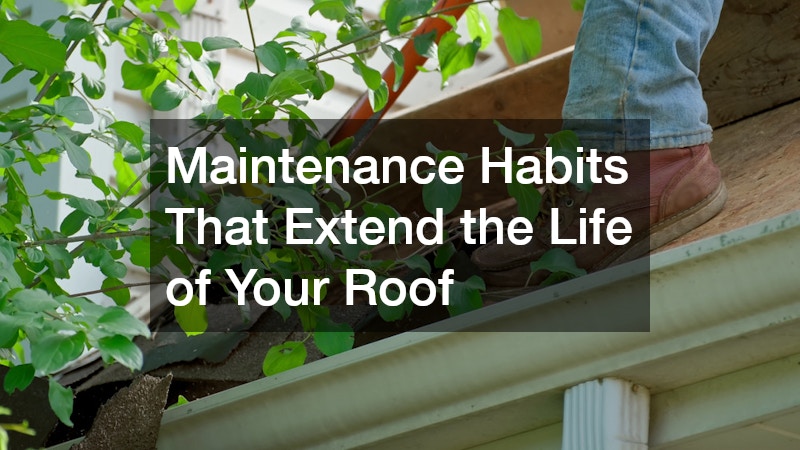
Regular maintenance is one of the simplest ways to protect your roof and avoid costly repairs. Many homeowners neglect routine upkeep, which can lead to preventable damage over time. Establishing consistent habits ensures your roof stays in good condition throughout the year. A professional roofer can provide guidance on proper maintenance techniques. Working with local roofers for periodic inspections also helps identify issues early. Preventative care is far more affordable than major repairs or replacements. By staying proactive, you can significantly extend the lifespan of your roof.
Seasonal Maintenance Checklist
- Inspect for damage after storms
- Clean debris regularly
- Check gutters and drainage
Simple Tasks You Can Do
- Remove leaves and branches
- Look for visible damage
- Ensure proper water flow
When to Call Professionals
- Annual inspections
- Minor repairs
- Preventative maintenance
Why Regular Inspections Matter
Routine inspections help catch small issues before they become major problems. Professionals can identify hidden damage that may not be visible to the untrained eye. Addressing these concerns early prevents costly repairs down the line. Consistent maintenance also helps preserve warranties and ensures your roof performs as expected. Making inspections a priority is one of the best ways to protect your investment.
Common Roofing Mistakes Homeowners Should Avoid at All Costs
Avoiding common mistakes can save you time, money, and unnecessary stress. Many homeowners underestimate the complexity of roofing projects, leading to poor decisions. Hiring an inexperienced roofing contractor or rushing into a roof installation can result in long-term issues. Understanding what to avoid is just as important as knowing what to do. Being aware of these pitfalls helps you make smarter choices throughout the process. Careful planning and research can prevent costly errors. Taking a thoughtful approach ensures better results and a smoother experience.
DIY Repairs Gone Wrong
- Safety risks
- Poor workmanship
- Voided warranties
Choosing Price Over Quality
- Cheap materials may fail quickly
- Low bids can indicate poor workmanship
Skipping Permits and Inspections
- Legal issues
- Problems during resale
Poor Planning
Taking time to plan your project thoroughly can prevent many common issues. Researching materials, timelines, and contractors ensures you make informed decisions. Rushed choices often lead to higher costs and unsatisfactory results. A well-planned project is more likely to stay on schedule and within budget. Investing time up front leads to better long-term outcomes.
How to Plan for Future Roofing Needs and Long-Term Protection
Planning for the future is essential if you want to avoid unexpected roofing issues. Many homeowners focus only on immediate needs, but a long-term strategy provides better protection and financial stability. Keeping track of your roof’s age and condition helps you anticipate when upgrades may be necessary. Incorporating improvements like roof metal decking services during future updates can enhance durability. Preparing for roofing replacements in advance allows you to budget more effectively. A proactive approach reduces stress and ensures your home remains well-protected. Thinking ahead gives you greater control over maintenance and expenses.
Create a Long-Term Plan
- Track condition and age
- Budget for future work
- Schedule inspections
Upgrade Strategically
- Improve materials over time
- Enhance durability and efficiency
Protect Your Investment
- Maintain documentation
- Address issues quickly
Think About Resale Value
A well-maintained roof can significantly increase your home’s resale value. Buyers are more confident when they know the roof is in good condition. Keeping records of maintenance and upgrades adds credibility during the selling process. Planning ahead ensures your home remains attractive and competitive in the market. Taking a long-term approach ultimately benefits both your comfort and your financial future.
Building a Long-Lasting Roof Strategy for Your Home
Taking a proactive approach to your roof is one of the smartest decisions you can make as a homeowner. By understanding your options, working with qualified professionals, and committing to regular maintenance, you can extend the life of your roof and avoid costly surprises.
With the right knowledge and planning, you’ll be well-equipped to handle any roofing challenge while protecting your home for years to come.