Understanding how to choose the right HVAC services for your home is crucial for ensuring efficient heating and cooling. With various companies offering a myriad of options, making the right choice can be overwhelming. This article will guide you through some of the most common questions homeowners have when selecting HVAC services.
What Should I Look for in an HVAC Service Provider?
Licensing and Certification
Ensure the company has the appropriate licenses and certifications to perform HVAC services legally and safely. Licensed professionals are more likely to adhere to industry standards, reducing the risk of potential hazards.
Certification from recognized bodies can further assure homeowners that technicians have the necessary skills and knowledge. This can help in providing peace of mind when encountering unforeseen issues during installations or repairs.
Many states mandate specific requirements for HVAC technicians, and verifying these credentials is crucial. By doing so, homeowners not only protect their investments but also ensure the longevity and efficiency of their systems.
Reputation and Reviews
Research customer reviews and ask for referrals to gauge the reliability and quality of the service. Word of mouth and online feedback can provide invaluable insights into the company’s reliability and business practices.
High ratings and positive testimonials often indicate that a company is committed to customer satisfaction. Conversely, repeated negative feedback can be a red flag, suggesting potential issues with service delivery.
Engaging with past customers can also offer a firsthand account of their experiences. By gathering this information, homeowners can make informed decisions and avoid regrettable choices.
How Can I Ensure Energy Efficiency with My HVAC System?
Energy Star Ratings
Look for HVAC systems with an Energy Star rating to ensure higher energy efficiency and lower utility bills. These ratings denote compliance with energy efficiency guidelines set by regulatory bodies.
An energy-efficient system not only reduces the carbon footprint of a home but also saves significant amounts on energy costs. This can result in substantial savings over the system’s lifespan.
Given the rising costs of energy, prioritizing systems with Energy Star ratings makes both economic and environmental sense. Such systems often come with advanced features that enhance overall performance.
Regular Maintenance Plans
Opt for service providers that offer regular maintenance plans to keep your system running efficiently throughout its lifespan. Routine checks can help in identifying potential issues before they escalate into costly repairs.
Scheduled maintenance ensures that the system operates at peak performance levels, offering optimal comfort to the household. Additionally, it extends the life of the system, maximizing the return on investment.
Many HVAC companies offer tailored maintenance packages that cater to individual needs. By taking advantage of these services, homeowners ensure both reliability and efficiency from their HVAC systems.
What Costs Should I Consider for HVAC Services?
Initial Installation Costs
Consider the upfront costs of purchasing and installing a new HVAC system, and compare different service quotes for the best value. Initial expenses can often be justified by the long-term savings from a more efficient unit.
Getting multiple quotes ensures that homeowners receive competitive pricing. This helps in balancing the budget while still obtaining a high-quality system.
Finding the right mix of cost and efficiency can be challenging. However, investing in a high-quality system often proves more economical in the long run due to increased efficiency and fewer repairs.
Long-Term Operating Costs
Factor in the long-term costs, such as energy consumption and maintenance, when budgeting for HVAC services. Long-term expenses can vary based on factors like climate, usage patterns, and system type.
A system that might seem expensive at first could reveal itself as more economical over time due to lower operating costs. Efficient systems reduce energy consumption, benefiting both the wallet and the environment.
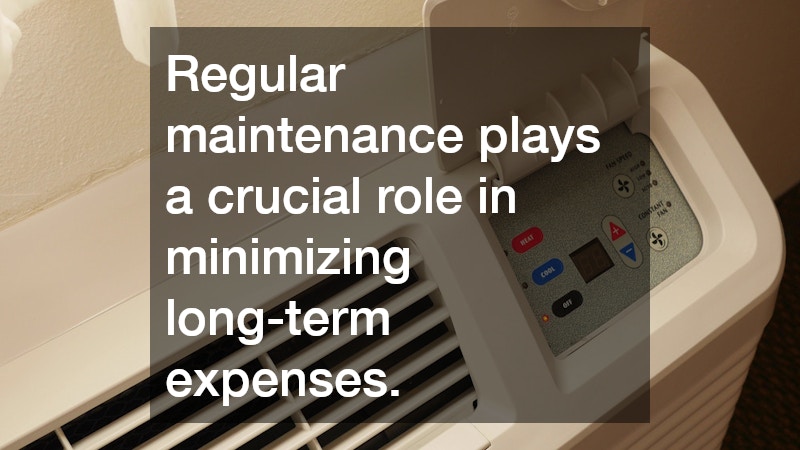
Regular maintenance also plays a crucial role in minimizing long-term expenses. By keeping systems in top condition, homeowners can avoid unexpected repairs and maintain consistent energy savings.
Choosing the right HVAC services for your home involves considering multiple factors like service provider credentials, energy efficiency, and cost. By addressing these vital questions, homeowners can make informed decisions, ensuring comfort and efficiency for their households.
Conducting thorough research and weighing all considerations up front can save money and headaches in the future. HVAC systems are long-term investments, and making informed choices ensures that this investment pays off over time.