Key Takeaways
- Identifying common household allergens helps target cleaning and maintenance efforts where they are most effective.
- Regular cleaning, including vacuuming, dusting, and washing fabrics, can significantly reduce allergen buildup throughout the home.
- Controlling indoor moisture and improving ventilation are essential for preventing mold growth and maintaining healthier indoor air.
- Decluttering living spaces makes routine cleaning easier and reduces areas where dust and allergens can collect.
- Maintaining outdoor areas and minimizing the transfer of dirt and pollen indoors supports a cleaner home environment.
- Consistent pet care and routine cleaning of pet-related areas can help reduce dander and other allergy triggers.
- Establishing simple maintenance habits throughout the year creates a healthier, cleaner, and more comfortable living space.
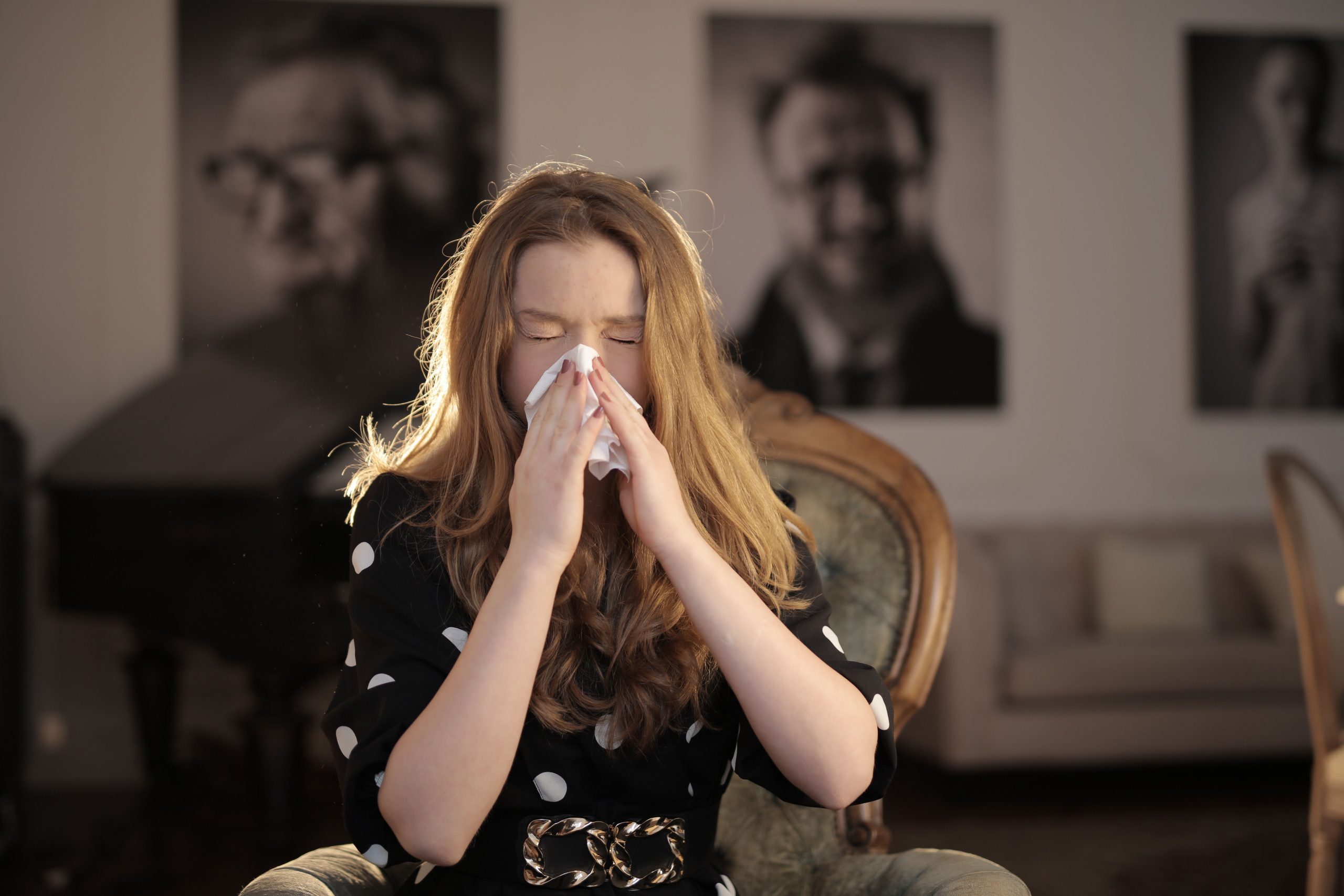
For many people, home is a place to relax and recharge. However, it can also be a source of allergens that trigger sneezing, itchy eyes, coughing, and other allergy symptoms. Dust mites, pet dander, mold spores, pollen, and even pests can build up inside a home over time, affecting indoor air quality and overall comfort.
The good news is that reducing allergens does not always require expensive equipment or major renovations. Simple maintenance habits performed consistently can make a significant difference. Regular cleaning, proper ventilation, moisture control, and routine home upkeep all work together to create a healthier indoor environment.
Whether you have seasonal allergies, asthma, or simply want cleaner indoor air, adopting a few practical habits can help keep allergens under control. This guide explores effective maintenance practices that improve home cleanliness while supporting a healthier and more comfortable living space.
Identify the Most Common Household Allergens
The first step in reducing allergens is understanding where they come from. Many allergens are invisible to the naked eye and can accumulate slowly over time. Even homes that appear clean may contain allergens hidden in carpets, upholstery, bedding, and air ducts.
Dust mites thrive in warm, humid environments and are commonly found in mattresses, pillows, and upholstered furniture. Pet dander can remain in the air and on surfaces long after pets leave a room. Mold spores grow in damp areas such as bathrooms, basements, and laundry rooms, while pollen often enters the home through open windows, clothing, and shoes.
Knowing which allergens are most likely to affect your household allows you to focus your maintenance efforts where they will have the greatest impact.
Common indoor allergens include:
- Dust mites
- Pet dander
- Mold spores
- Pollen
- Cockroach debris
- Dust accumulation
Build a Consistent Cleaning Routine
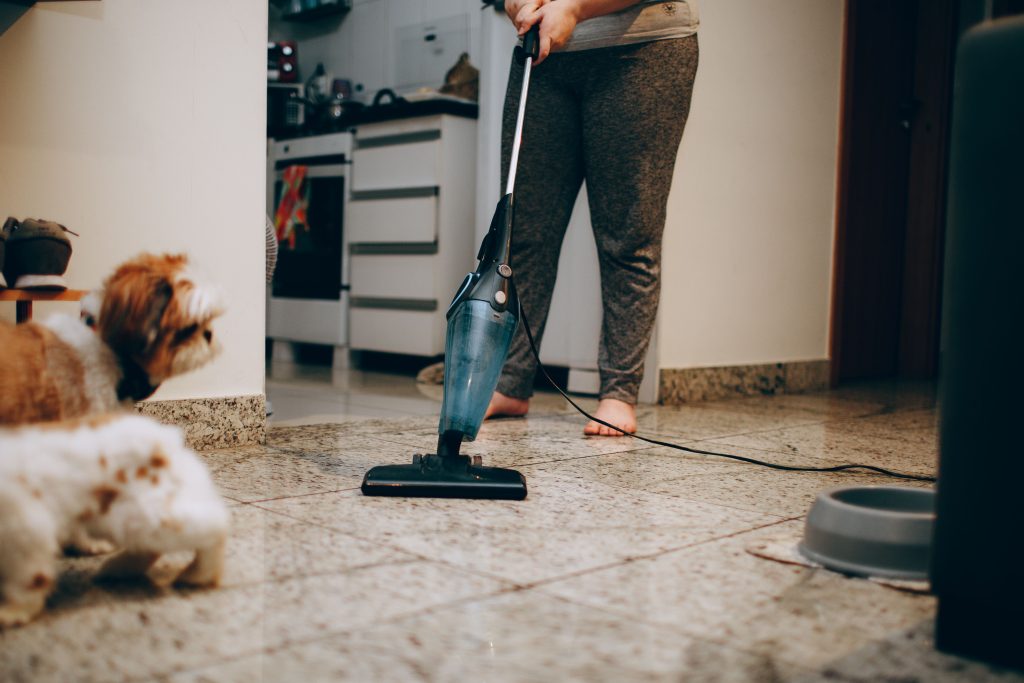
One of the most effective ways to reduce allergens is through regular cleaning. Dirt, dust, and debris naturally collect over time, especially in frequently used areas. Waiting until surfaces appear dirty often allows allergens to build up unnoticed.
Vacuuming, dusting, and mopping on a regular schedule help remove particles before they become a larger problem. Using a vacuum equipped with a HEPA filter can improve dust removal by trapping fine particles instead of releasing them back into the air.
Cleaning should also include overlooked areas such as ceiling fans, baseboards, blinds, light fixtures, and air vents. These locations often collect dust that circulates throughout the home.
Consistency is more important than deep cleaning once in a while. Small tasks completed regularly are often more effective than occasional intensive cleaning sessions.
Cleaning habits that reduce allergens:
- Vacuum weekly with a HEPA filter
- Dust with microfiber cloths
- Mop hard floors regularly
- Clean ceiling fans and vents
- Wash frequently touched surfaces
Wash Fabrics That Collect Allergens
Soft materials trap allergens more easily than hard surfaces. Bedding, curtains, rugs, upholstery, and decorative pillows all collect dust, pollen, and pet dander over time.
Washing sheets, pillowcases, and blankets weekly in hot water can help reduce dust mites. Curtains should also be cleaned regularly, especially if windows are opened during pollen season.
Area rugs require routine vacuuming and occasional deep cleaning. If someone in the household has severe allergies, replacing heavy carpeting with hard-surface flooring may help reduce allergen buildup.
Furniture with removable cushion covers can be easier to maintain because the fabric can be washed periodically.
Fabrics to clean regularly:
- Bedding
- Curtains
- Throw blankets
- Area rugs
- Upholstery
- Decorative pillows
Control Moisture to Prevent Mold Growth
Moisture is one of the leading causes of indoor mold. Once mold begins growing, it can spread quickly and negatively affect indoor air quality.
Bathrooms, kitchens, laundry rooms, and basements should be monitored for signs of excess moisture. Leaking pipes, roof leaks, condensation, and poor ventilation all contribute to mold growth.
Using exhaust fans while cooking or showering helps reduce humidity. Dehumidifiers may also be beneficial in damp areas of the home. Any water damage should be addressed promptly to prevent mold from developing behind walls or under flooring.
Maintaining proper indoor humidity levels not only helps control mold but also discourages dust mites from thriving.
Ways to reduce indoor moisture:
- Repair plumbing leaks
- Use exhaust fans
- Improve ventilation
- Run a dehumidifier
- Dry wet areas quickly
Improve Indoor Air Quality Through Better Ventilation
Fresh air plays an important role in maintaining a healthy home environment. While opening windows can improve ventilation, it may also introduce pollen during certain seasons. Balancing airflow with allergen control is essential.
Heating and cooling systems should be maintained regularly to ensure proper operation. Air filters should be replaced according to the manufacturer’s recommendations because clogged filters become less effective at trapping airborne particles.
Portable air purifiers with HEPA filters can provide additional filtration in bedrooms and other frequently occupied spaces. Good airflow also helps reduce moisture buildup and prevents stale indoor air.
Improving ventilation supports both comfort and long-term home maintenance.
Air quality improvements include:
- Replace HVAC filters regularly
- Clean air vents
- Use HEPA air purifiers
- Maintain HVAC systems
- Improve airflow throughout the home
Keep Clutter Under Control
Clutter creates more than visual distractions. It also provides additional surfaces where dust can settle and accumulate. The more objects a room contains, the more time and effort it takes to clean thoroughly.
Reducing unnecessary belongings makes routine cleaning faster and more effective. Storage bins, cabinets, and shelving help organize items while limiting exposed surfaces.
Minimalist decorating does not mean removing everything from a room. Instead, it encourages keeping only items that are useful or meaningful while eliminating unnecessary clutter.
An organized home is often easier to maintain and healthier for people with allergies.
Areas that benefit from decluttering:
- Bookshelves
- Closets
- Entryways
- Bedrooms
- Home offices
- Storage rooms
Don’t Forget the Outside of Your Home
Many allergens originate outdoors before making their way inside. Pollen, mold spores, and dirt can enter the home through open doors, windows, shoes, and pets.
Keeping your yard well maintained can help reduce the amount of pollen-producing weeds, mold growth, and decaying plant material around the home. Regular mowing, trimming shrubs, removing fallen leaves, and improving drainage all contribute to a cleaner outdoor environment.
Placing doormats at entrances and removing shoes before entering the house also helps prevent outdoor allergens from spreading indoors.
Maintaining both indoor and outdoor spaces creates a more complete approach to allergen control.
Outdoor maintenance habits include:
- Mow grass regularly
- Remove fallen leaves
- Trim overgrown shrubs
- Improve yard drainage
- Clean entry mats frequently
Pay Attention to Pets
Pets bring companionship, but they also introduce allergens into the home. Pet dander can settle on furniture, flooring, and bedding while remaining airborne for extended periods.
Regular grooming helps reduce loose hair and dander. Washing pet bedding frequently also limits allergen buildup. Keeping pets off beds and upholstered furniture may further reduce exposure, particularly for individuals with allergies.
Vacuuming areas where pets spend the most time can prevent allergens from accumulating.
Pet owners do not necessarily need to make drastic lifestyle changes, but consistent cleaning habits can significantly improve indoor air quality.
Pet-related maintenance tips:
- Groom pets regularly
- Wash pet bedding
- Vacuum frequently
- Clean food areas
- Brush pets outdoors when possible
Include Allergen Control in Future Home Improvements
Routine maintenance addresses many allergen sources, but some homes benefit from larger improvements over time. Older carpeting, outdated ventilation systems, or persistent moisture issues may require more permanent solutions.
Planning a long term home renovation provides an opportunity to select materials and systems that improve indoor air quality. Hard-surface flooring, improved insulation, updated ventilation, and moisture-resistant building materials can all contribute to a healthier living environment.
While renovations are not always necessary, considering allergen reduction during future home improvement projects can produce lasting benefits.
Renovation upgrades that support cleaner air:
- Replace old carpeting
- Upgrade ventilation
- Improve insulation
- Install hard-surface flooring
- Address moisture issues
Create Habits That Last Throughout the Year
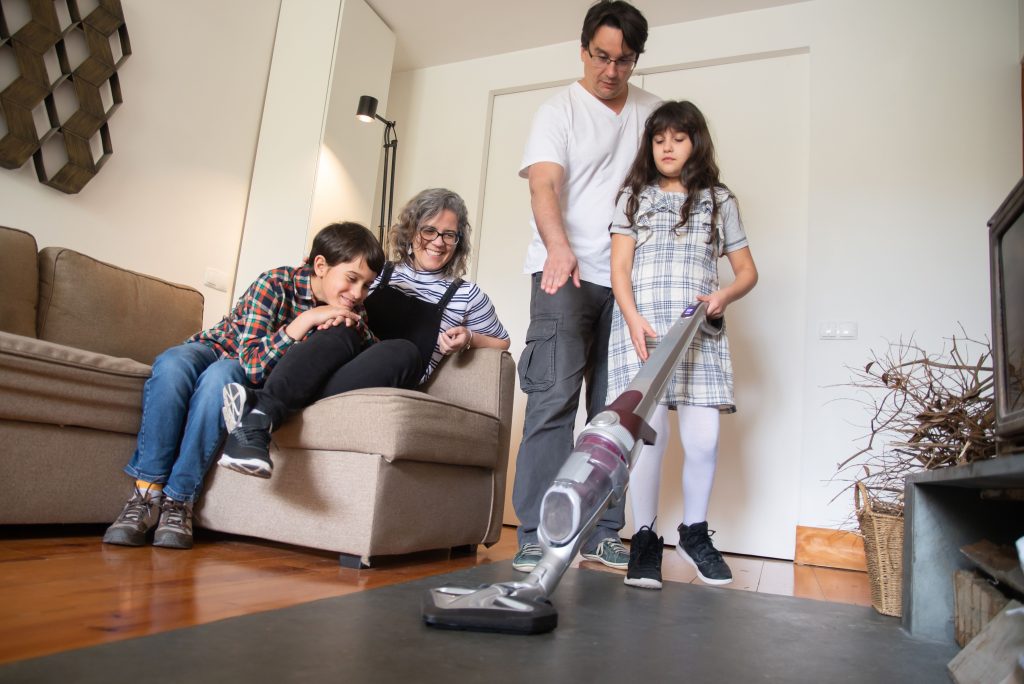
Removing allergens is not a one-time project. It requires ongoing attention and regular maintenance. Seasonal changes, weather conditions, and everyday activities continually introduce new allergens into the home.
Creating a simple maintenance schedule helps ensure that important tasks are completed consistently. Dividing responsibilities into weekly, monthly, and seasonal checklists can make upkeep feel more manageable.
Even small habits—such as wiping surfaces, washing bedding, replacing filters, and checking for moisture—can produce meaningful improvements when performed regularly.
A cleaner home supports healthier indoor air while making daily living more comfortable.
Simple maintenance habits to maintain:
- Wash bedding weekly
- Replace HVAC filters
- Vacuum regularly
- Inspect for leaks
- Declutter often
- Clean high-dust areas
Final Thoughts
Keeping allergens under control does not require expensive equipment or constant deep cleaning. Instead, it comes from building simple maintenance habits that prevent allergens from accumulating in the first place. Regular cleaning, moisture control, proper ventilation, organized storage, and outdoor upkeep all contribute to a healthier indoor environment.
The most effective approach is consistency. Small maintenance tasks completed throughout the year are often far more successful than occasional large cleaning projects. By addressing allergens both inside and outside the home, homeowners can improve indoor air quality, reduce allergy triggers, and create a cleaner, more comfortable place to live.
With thoughtful planning and routine upkeep, maintaining a healthier home becomes a manageable part of everyday life rather than an overwhelming chore.