
Owning a home is a central pillar of financial stability and personal pride, but it also introduces an ongoing, shifting ledger of maintenance responsibilities. For many homeowners, the immediate impulse when something goes wrong is to roll up their sleeves, grab a toolkit, and look up a quick internet tutorial. The rise of DIY culture has empowered people to handle minor tasks, from painting walls to replacing cabinet hardware. However, a critical part of smart home upkeep is recognizing the precise boundary where amateur enthusiasm becomes a structural or financial hazard.
Every major system in your house—from the hidden network of pipes beneath the floorboards to the mechanical units regulating your indoor air—functions under strict engineering standards. When these systems begin to fail, they rarely do so silently. They emit subtle warnings, minor performance dips, or unusual noises that serve as early distress signals. Ignoring these signs or attempting a makeshift repair can transform a simple fix into an incredibly expensive crisis. This guide breaks down the critical warning signs across your home’s major components, helping you identify exactly when a situation demands specialized expertise.
Anatomy of a Crisis: When Plumbing Hazards Loom
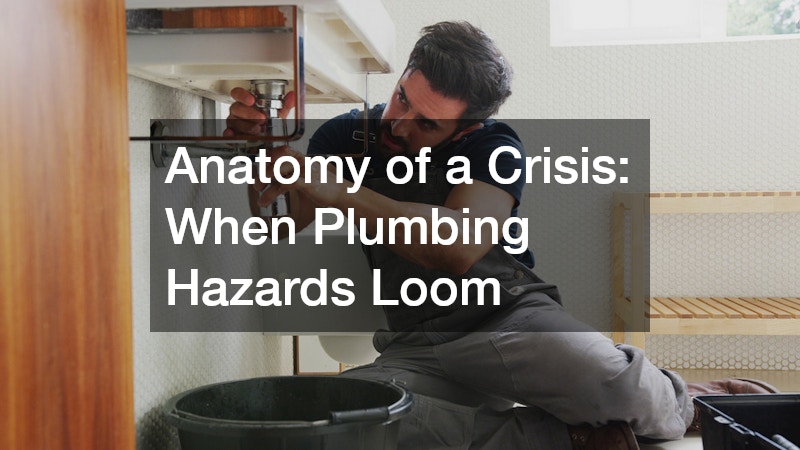
Your home’s plumbing network is a pressurized, interconnected system that relies on precise gravity slopes and secure seals to function safely. While a minor toilet clog can often be resolved with a standard plunger, deeper systemic issues require tools and diagnostic training that go far beyond what is available at a local hardware store. Attempting to force your way through complex plumbing failures often results in ruptured lines and ruined infrastructure.
Low Water Pressure, Slow Drains, and Persistent Gurgling
When multiple fixtures in your home begin acting up simultaneously, the issue is never localized to a single pipe. It points to a deeper systemic failure within your main waste or supply lines.
-
Simultaneous slow drainage: If the kitchen sink, the master bathtub, and the laundry lines are all draining at a snail’s pace, the blockage is deep within the main sewer stack.
-
Gurgling toilets: A toilet that bubbles or gurgles when your washing machine discharges water indicates that air is trapped in the drainage system, a classic symptom of a blocked vent stack or a main line restriction.
-
Persistent foul odors: The distinct smell of raw sewage wafting from your drains or settling over your backyard is a clear sign that wastewater is not exiting your property correctly.
These symptoms often point to a breakdown in specialized waste management systems, requiring professional septic pump repairs to prevent raw sewage from backing up into your living spaces. When underground lines are compromised by tree roots or shifting soil, calling in local plumbers is the only way to diagnose the exact location of the blockage using fiber-optic sewer cameras, preventing unnecessary excavation across your lawn.
Hidden Leaks, Sudden Mold Growth, and Unexplained Water Bill Spikes
Not all plumbing disasters happen with a dramatic burst pipe. The most destructive issues are often silent, slow-moving leaks that hide behind drywall and beneath subfloors for months before showing visible symptoms.
-
Unexplained utility spikes: If your water bill climbs significantly over a two-month period without a change in your household consumption habits, water is escaping somewhere in the system.
-
Blistering paint and warped baseboards: Drywall that feels soft to the touch, peeling wallpaper, or baseboards that pull away from the wall indicate active, hidden moisture.
-
Musty, earthy odors: A persistent smell of dampness that remains even after deep cleaning usually points to microbial growth thriving in dark, unventilated cavities.
Ignoring these quiet warnings allows extensive water damage to compromise the structural framing of your property. Professional plumbers utilize thermal imaging cameras and acoustic moisture meters to pinpoint the exact origin of a pinhole leak without tearing down entire walls, saving you thousands of dollars in unnecessary drywall reconstruction.
Climate and Comfort: Climate Control and Heating Systems

Modern climate control systems are highly sophisticated, relying on an intricate balance of electrical sequencing, chemical refrigerants, and airflow mechanics. When your heating or cooling systems begin to falter, they do more than just compromise your daily comfort; they can pose serious risks to your indoor air quality and household safety.
Weak Airflow, Strange Noises, and Short-Cycling Units
Your air conditioning system is designed to run in predictable, efficient cycles to maintain a consistent indoor temperature while managing humidity levels. When those cycles become erratic, the system is under extreme mechanical stress.
-
Short-cycling behavior: If your cooling unit kicks on, runs for two minutes, and shuts back off repeatedly, it is short-cycling. This behavior rapidly burns out the compressor motor.
-
Audible mechanical distress: Screeching, grinding, or loud banging noises coming from your outdoor condenser or indoor air handler signal failed bearings, loose belts, or a dying blower motor.
-
Ice accumulation on coils: Finding a layer of frost on the indoor evaporator coil, even during a hot summer day, indicates a critical restriction in airflow or a dangerous drop in refrigerant levels.
While homeowners should regularly replace their air filters, addressing these deeper mechanical failures requires licensed HVAC services. Certified technicians possess the specialized tools required to safely handle regulated refrigerants, test electrical capacitors, and recalibrate system pressure to ensure your unit runs efficiently without risking a complete system burnout.
Yellow Pilot Lights, Uneven Heating, and Metallic Odors
Heating units require meticulous oversight because they rely on combustion or high-voltage electrical elements to generate warmth. A malfunctioning heating system is a direct safety hazard that can jeopardize your entire household.
-
An off-color pilot flame: A healthy pilot light or burner flame should always burn a crisp, steady blue. A yellow, flickering, or dancing flame indicates incomplete combustion.
-
Persistent metallic or burning smells: While a faint dusty smell is normal during the first startup of the season, a strong metallic, chemical, or burning odor indicates overheating components or a compromised heat exchanger.
-
Uneven heat distribution: When certain rooms remain freezing while others overheat, the system is struggling to regulate its output or the ductwork has suffered a major structural failure.
A yellow flame or a chemical odor is a primary indicator of carbon monoxide production, a colorless, odorless gas that can be fatal. Scheduling a professional boiler maintenance service ensures that your heat exchanger is thoroughly inspected for microscopic cracks, the ventilation flues are clear, and the fuel-to-air ratio is perfectly calibrated for safe operation throughout the colder months.
Protecting the Envelope: Roof and Exterior Integrity
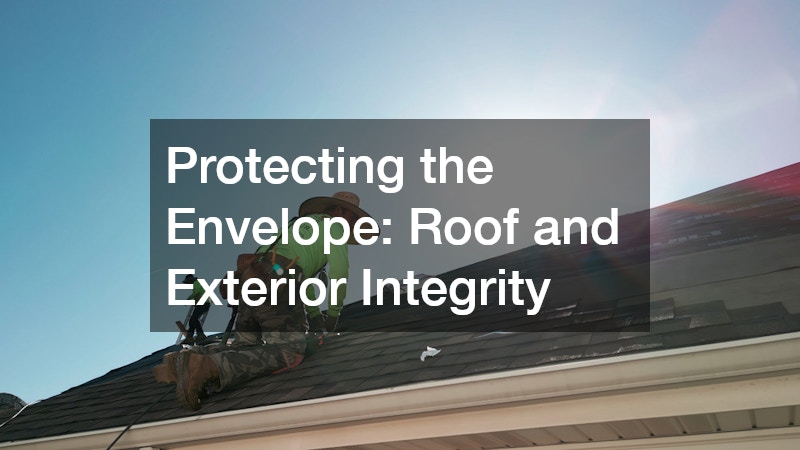
The exterior envelope of your home is its primary shield against the elements. Your roof, siding, and gutters work as a unified system to shed water away from your foundation and prevent moisture from rotting the wooden skeleton of your house. Because exterior damage occurs out of sight for most homeowners, it is frequently overlooked until it manifests as a major indoor problem.
Missing Shingles, Interior Ceiling Stains, and Sagging Rooflines
Roof deterioration is a progressive issue. A single compromised shingle creates an entry point for water, which will gradually rot the plywood decking underneath before finally dripping through your ceiling insulation.
-
Granules in the gutters: If you clear your gutters and find piles of dark, sandy granules, your asphalt shingles are reaching the end of their lifespan and losing their UV protection.
-
Water stains on ceilings or attic rafters: Dark, ringed stains on your upper-floor ceilings or damp wooden beams in your attic indicate an active roof leak that has already bypassed your external shingles.
-
Curled, cracked, or missing shingles: Shingles that are lifting at the edges or completely missing leave the underlying water barrier exposed to direct sunlight and wind-driven rain.
Climbing onto a roof is inherently dangerous and can easily cause further damage to fragile shingles if done incorrectly. Professional roof repairs are necessary to properly patch compromised valleys, replace flashing around chimneys, and evaluate whether the underlying decking has suffered structural rot that requires immediate reinforcement.
Dented Siding, Cracked Windows, and Fractured Structural Materials After a Storm
Severe weather events can inflict sudden, violent damage to a home’s exterior that compromises its long-term weatherproofing capabilities.
-
Pockmarked or bruised shingles: High-velocity impacts leave distinct round indents on roofing materials, fracturing the fiberglass mat underneath even if the shingle looks intact from the ground.
-
Split wood or cracked vinyl siding: Fractures in your siding allow wind-driven rain to seep directly against your home’s housewrap and framing.
-
Dented metal flashing and gutters: Misaligned or dented gutters distort the proper slope needed to channel water away from your foundation, leading to pooling and eventual basement flooding.
Identifying the full scope of impact damage requires trained eyes and specific equipment. Investing in a professional hail damage repair specialist ensures that subtle fractures in your exterior surfaces are identified before the next heavy rainstorm forces water deep into your walls, creating a nightmare of structural rot and mold.
Perimeter and Property: Pools and Heavy Mechanics

The amenities around your property line, such as swimming pools and mechanical garage openings, involve high-pressure systems and heavy machinery. Because these features are used daily, they are subject to severe wear and tear that can create acute safety hazards if mechanical failures are ignored.
Cloudy Water, Dropping Water Levels, and Grinding Filtration Pumps
Maintaining an outdoor pool involves a delicate balance of water chemistry, mechanical filtration, and structural sealing. When one of these components fails, the pool can quickly become an unsanitary, expensive hazard.
-
Rapidly dropping water levels: While minor evaporation is normal, losing more than a quarter-inch of water in a twenty-four-hour period indicates a structural crack in the shell or a subterranean plumbing leak.
-
Unresolved cloudiness or algae blooms: If the pool water remains green, murky, or irritating to the skin despite heavy chemical treatments, the filtration media has failed or the water flow is restricted.
-
Loud, screeching pump motors: A pump that emits a high-pitched whine or a grinding noise is suffering from worn internal bearings or a failing impeller, which will soon lead to total motor seizure.
Trying to diagnose underground structural leaks or replacing high-voltage pool pumps without specialized training can result in ruined equipment or electrical shock. Partnering with a reputable pool service company provides access to specialized pressure-testing equipment and automated chemical analysis tools, keeping your water safe and your mechanical systems operating smoothly.
Snapped Torsion Springs, Jerky Movements, and Frayed Cables
Your garage door is likely the largest, heaviest moving object in your entire home. It relies on a system of high-tension springs and counterweights to lift hundreds of pounds smoothly and safely.
-
A visible gap in the torsion spring: The large spring located on a metal rod above your garage door should be solid. If you see a distinct split or break in the coils, the spring has snapped.
-
Asymmetrical lifting or jerky movement: If the door lifts unevenly, shimmies back and forth, or gets stuck halfway up its tracks, the cables are slipping, or the track alignment is warped.
-
Frayed or loose steel cables: The heavy aircraft cables running down the sides of the door carry the immense weight of the system. If they show signs of fraying, they are on the verge of snapping.
Working on garage door mechanics is one of the most dangerous tasks a homeowner can attempt. The torsion springs are wound under tight, intense pressure; if they release unexpectedly during an amateur repair, they can inflict severe, life-threatening injuries. Professional garage door repairs are absolutely mandatory for any spring, cable, or track adjustments to ensure the heavy door is safely counterbalanced and secure on its tracks.
Every homeowner wants to protect their property investment while keeping maintenance costs manageable, but true cost-efficiency comes from knowing when to step aside for an expert. Major home systems are highly interdependent; a clumsy mistake made during a plumbing fix can easily lead to electrical damage, while an improperly sealed roof patch can ruin internal ceilings and insulation within months.
When you notice the warning signs outlined in this guide, view them as an opportunity for proactive preservation rather than an inconvenient expense. Catching a mechanical failure or a structural vulnerability in its early stages allows you to schedule controlled, predictable professional intervention before an emergency occurs. By building a reliable network of certified specialists and respecting the limits of DIY work, you protect your family’s safety, preserve your home’s equity, and ensure that your property remains a secure, functional sanctuary for decades to come.