Protecting Your Home Starts With Early Detection
Water damage is one of the most expensive and stressful problems homeowners face. What starts as a small leak under a sink or a faint stain on the ceiling can quickly turn into serious structural damage, dangerous mold growth, and thousands of dollars in repairs. Unfortunately, many homeowners do not realize there is a problem until the damage has already spread behind walls, beneath flooring, or throughout the attic and basement.
Moisture problems rarely go away on their own. In fact, water tends to travel through hidden spaces, soaking insulation, weakening wooden supports, damaging drywall, and creating the perfect environment for bacteria and mold. Whether the issue comes from a plumbing leak, storm damage, roof failure, or poor drainage around the home, acting quickly is critical.
The good news is that homes often show warning signs long before catastrophic damage occurs. By learning how to recognize these indicators early, homeowners can prevent major repairs, protect their property value, and maintain a healthier living environment for their families.
Below are the most important warning signs that your home may need immediate attention before the damage becomes much worse.
Stains and Peeling Surfaces Usually Mean Moisture Is Spreading
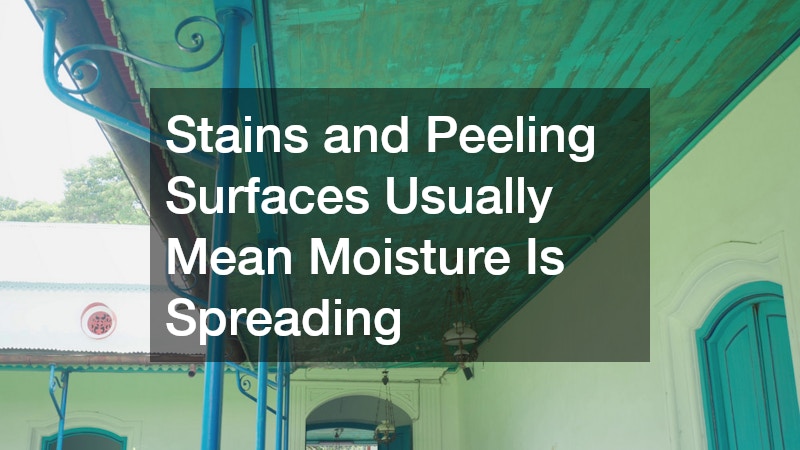
One of the earliest and most visible signs of water damage is discoloration on ceilings, walls, or flooring. Brown or yellow stains often appear when water leaks through drywall or insulation. These spots may seem harmless at first, but they usually indicate an active moisture problem hidden behind the surface.
Peeling paint, bubbling wallpaper, and warped drywall are also common indicators that moisture has become trapped inside the walls. Water weakens adhesives and causes materials to separate, creating visible cosmetic damage throughout the home. Areas around windows, bathrooms, kitchens, and ceilings beneath bathrooms are especially vulnerable.
Many homeowners make the mistake of repainting the damaged area without investigating the source of the leak. Unfortunately, cosmetic fixes do not solve the underlying problem. If the moisture remains, the damage will continue to worsen over time.
A professional water damage service can identify the source of the leak using moisture meters, thermal imaging tools, and detailed inspections. Finding the cause early can prevent major structural repairs later. If stains continue growing or reappear after cleaning, it is important to act quickly before the damage spreads deeper into the home.
Persistent Musty Odors Often Point to Hidden Contamination
A damp or musty smell inside the home should never be ignored. Even when no visible mold is present, unusual odors often indicate hidden moisture trapped behind walls, under flooring, or inside ventilation systems.
Mold thrives in dark, damp spaces where moisture remains undisturbed. Bathrooms, basements, crawl spaces, attics, and laundry rooms are common problem areas. Unfortunately, by the time homeowners notice a strong odor, mold colonies may already be spreading throughout the property.
A professional mold inspection can uncover hidden contamination that may not be visible during a basic walkthrough. Specialists use moisture detection equipment and air quality testing to identify areas where mold is actively growing.
If contamination is discovered, immediate mold remediation may be necessary to stop the spread and remove damaged materials safely. Delaying treatment can allow mold spores to travel through HVAC systems and affect larger portions of the home.
Beyond property damage, indoor mold exposure can also contribute to headaches, respiratory irritation, coughing, allergies, and worsening asthma symptoms. Families with children, elderly individuals, or anyone with respiratory conditions should take musty odors especially seriously.
Sagging Ceilings and Soft Walls Signal Structural Weakness
Water does more than create stains. Over time, prolonged moisture exposure can weaken the structural components of a home. Soft drywall, warped wood framing, sagging ceilings, and buckling floors often indicate serious internal damage.
Ceilings that begin to droop or bulge are especially dangerous because they may eventually collapse. Waterlogged drywall becomes extremely heavy, and weakened materials may fail without warning. Homeowners should avoid touching or puncturing swollen areas because trapped water can suddenly release.
Walls that feel soft or spongy when pressed are another warning sign that moisture has soaked into structural materials. In some cases, baseboards may separate from walls, doors may stop closing properly, or floors may become uneven due to hidden water damage.
An experienced restoration contractor can assess the extent of the structural issues and determine which materials can be salvaged versus replaced. Professional restoration teams often inspect insulation, framing, subfloors, and support beams to ensure the home remains safe.
Ignoring structural warning signs can significantly increase repair costs. What may begin as a small leak can eventually compromise major parts of the home if left untreated for too long.
Roof Problems Often Lead to Interior Damage
Many serious water issues begin at the roof. Even minor roofing damage can allow moisture to enter the attic and spread downward into ceilings, walls, and insulation. Unfortunately, homeowners may not notice the problem until interior damage becomes visible.
Missing shingles, damaged flashing, cracked vent seals, and clogged gutters are all common sources of roof leaks. Storms, wind, hail, and aging roofing materials can create small openings that gradually worsen over time.
A professional roofing contractor can inspect vulnerable areas and identify damage that may not be visible from the ground. Regular maintenance is especially important after severe weather events, as hidden roof damage often leads to long-term moisture problems.
Prompt roof repair can prevent water from infiltrating insulation, wood framing, and electrical systems. Homeowners should also pay attention to attic warning signs such as damp insulation, mold growth, or sunlight entering through roof boards.
Leaks originating from the roof can travel surprisingly far before becoming visible inside the home. This makes early detection and professional evaluation extremely important for preventing widespread damage.
Basement Moisture Can Affect the Entire House
Basements are highly vulnerable to water intrusion because they sit below ground level where hydrostatic pressure pushes moisture against foundation walls. Even small amounts of seepage can create ongoing humidity problems throughout the home.
Common warning signs include damp walls, condensation, musty odors, water stains, and efflorescence, which appears as a white powdery residue on concrete surfaces. Some homeowners also notice warped flooring or recurring puddles after heavy rainfall.
Over time, excess basement moisture can spread upward through the home, increasing humidity levels and creating conditions that support mold growth. Poor drainage around the property, clogged gutters, foundation cracks, and sump pump failures often contribute to these issues.
Professional interior waterproofing services help prevent water from entering the basement by managing drainage and sealing vulnerable areas. Solutions may include drainage systems, vapor barriers, sump pumps, and moisture control strategies.
Long-term waterproofing services not only protect the structure itself but also improve indoor air quality and reduce the risk of future water-related repairs. Addressing basement moisture early can save homeowners from expensive foundation and structural problems later.
Allergy Symptoms May Be Connected to Indoor Moisture
Many homeowners are surprised to learn that unexplained health symptoms can be linked to hidden water damage inside the home. Persistent coughing, sneezing, congestion, itchy eyes, headaches, and respiratory irritation may all be connected to indoor mold exposure.
When moisture remains trapped behind walls or beneath flooring, mold spores can spread through the air and circulate throughout the property. Even if visible growth is limited, indoor air quality may already be compromised.
A professional mold removal service can safely remove contaminated materials and reduce airborne spores without spreading the problem further. Attempting to clean large mold infestations without proper equipment can actually worsen contamination by disturbing spores and releasing them into the air.
Homeowners sometimes try to solve the issue with bleach or household cleaners, but surface cleaning rarely addresses moisture hidden inside walls or subfloors. Unless the moisture source is fully corrected, mold often returns quickly.
In addition to removing contamination, professional teams may recommend improved ventilation, dehumidification, and moisture control strategies to prevent future growth. Families experiencing ongoing allergy symptoms should consider whether hidden moisture could be contributing to the problem.
Rising Utility Bills Can Reveal Hidden Leaks
Unexpected increases in utility bills can sometimes point to hidden water damage. Plumbing leaks behind walls, beneath slabs, or under flooring may continue for weeks or months before becoming obvious.
Water leaks increase consumption directly, but they can also impact heating and cooling efficiency. Damp insulation loses effectiveness, forcing HVAC systems to work harder to maintain comfortable indoor temperatures. Excess humidity can also make homes feel warmer in summer and colder in winter.
Homeowners should monitor for unexplained spikes in water usage, higher-than-normal energy bills, or sounds of running water when fixtures are not in use. Small plumbing failures can waste large amounts of water over time while slowly damaging surrounding materials.
A trusted water damage service can locate hidden leaks using specialized detection equipment before severe structural issues develop. Early leak detection often prevents flooring damage, mold growth, and costly demolition work.
Other warning signs may include warm spots on floors, reduced water pressure, or damp areas that seem to appear without explanation. Even minor plumbing leaks deserve immediate attention because water spreads quickly through porous building materials.
Exterior Damage Often Predicts Future Interior Problems
The exterior of the home provides important clues about potential water damage risks. Cracked shingles, deteriorating flashing, sagging gutters, clogged downspouts, and damaged siding can all allow moisture to enter the structure.
Regular maintenance helps identify these problems before they lead to expensive interior repairs. Homeowners should inspect gutters seasonally, trim overhanging tree branches, and check for signs of standing water near the foundation.
Scheduling a professional home roof inspection is one of the best ways to identify hidden vulnerabilities before leaks occur. Inspections can reveal aging materials, storm damage, ventilation issues, and drainage problems that homeowners may overlook.
An experienced roofing contractor can recommend repairs or preventative maintenance that extend the life of the roof while reducing the risk of water intrusion. Even relatively small exterior issues can eventually lead to major attic and ceiling damage if left unresolved.
Paying attention to exterior warning signs helps homeowners stay proactive instead of reacting after severe water damage has already occurred.
Standing Water Requires Immediate Action
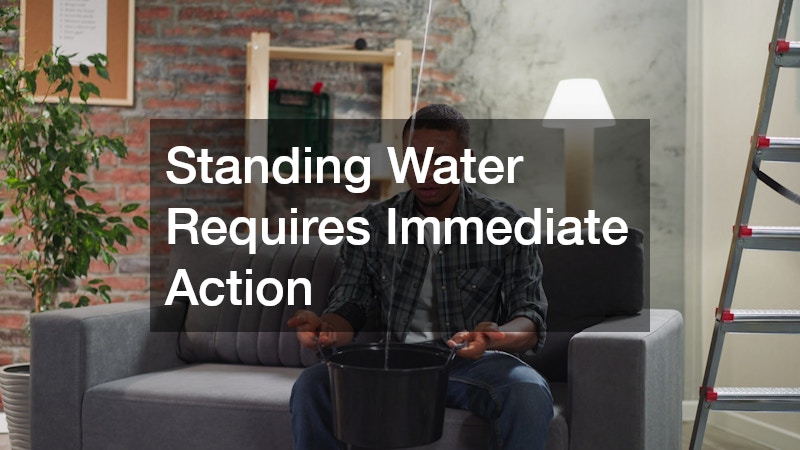
Any amount of standing water inside the home should be treated as an emergency. Whether caused by flooding, burst pipes, sewage backups, appliance failures, or roof leaks, standing water can rapidly destroy flooring, drywall, insulation, and furniture.
Mold can begin growing within 24 to 48 hours after water exposure, especially in warm and humid conditions. Carpets, wood flooring, and upholstered materials absorb moisture quickly, making rapid drying essential.
Professional mold remediation may become necessary if standing water remains untreated for too long. Moisture trapped beneath flooring or inside wall cavities creates ideal conditions for mold growth that may continue spreading even after visible water is removed.
A qualified mold removal service can safely address contamination while ensuring affected materials are thoroughly cleaned or replaced. Restoration teams also use industrial drying equipment, dehumidifiers, and moisture monitoring tools to prevent secondary damage.
Homeowners should never assume that surfaces are dry simply because they feel dry to the touch. Hidden moisture often remains deep within materials long after visible water disappears.
Preventative Maintenance Saves Money and Stress
Preventing water damage is always less expensive than repairing it after the fact. Routine maintenance allows homeowners to identify vulnerabilities early before major structural issues develop.
Seasonal roof inspections, plumbing checks, gutter cleaning, and foundation evaluations can dramatically reduce the risk of costly water-related repairs. Monitoring humidity levels indoors and using dehumidifiers in damp spaces also helps protect the home from excess moisture.
A skilled restoration contractor can provide guidance on long-term prevention strategies tailored to the home’s specific vulnerabilities. Older homes, properties in flood-prone areas, and houses with basements often benefit from more frequent inspections and preventative measures.
Investing in professional waterproofing services can also provide long-term protection against recurring moisture problems. Proper drainage systems, foundation sealing, sump pumps, and moisture barriers help prevent water intrusion before damage begins.
Homeowners who stay proactive are far more likely to avoid emergency repairs, structural damage, and major restoration costs in the future. Small preventative investments today can protect both property value and peace of mind for years to come.
Taking Fast Action Can Prevent Major Damage
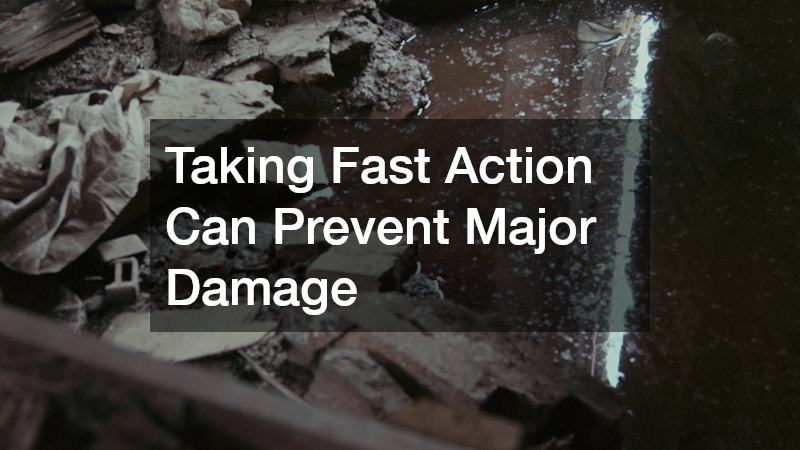
Water damage rarely improves without intervention. What begins as a small stain, musty smell, or minor leak can quickly turn into structural deterioration, mold growth, and costly repairs if ignored. The sooner homeowners recognize the warning signs, the better their chances of minimizing damage and avoiding expensive restoration work.
Paying attention to changes in your home — including odors, stains, sagging materials, rising utility bills, or exterior damage — can help you catch problems early before they become overwhelming. Fast action not only protects your property but also creates a safer and healthier living environment for your family.
When in doubt, it is always better to schedule a professional evaluation rather than wait for the damage to spread. Early detection and preventative maintenance remain the most effective ways to protect your home from long-term moisture problems.