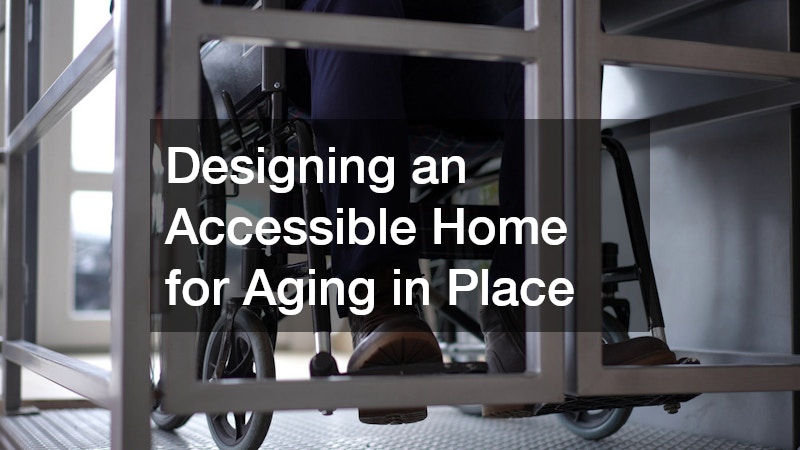
Aging in place is not just about staying in your home—it’s about staying comfortable, capable, and confident in the space you know best. For many homeowners, the goal isn’t simply to avoid moving but to create an environment that evolves alongside their needs. That means anticipating challenges before they arise and making thoughtful, strategic upgrades over time.
Imagine waking up in a home where every doorway feels easy to navigate, every light switch is exactly where you expect it, and daily routines don’t require extra effort or risk. That’s the result of intentional design. Accessibility isn’t a single project; it’s a layered approach that blends safety, usability, and comfort into every corner of the home.
The process begins with awareness. What works today may not work as well in five or ten years. Small inconveniences—like reaching for a high cabinet or stepping over a threshold—can gradually become obstacles. By addressing these details early, you create a home that supports independence for the long term. It also gives homeowners peace of mind, knowing they are proactively shaping a safer, more supportive living environment before challenges arise.
Evaluating Current Conditions With a Practical Walkthrough
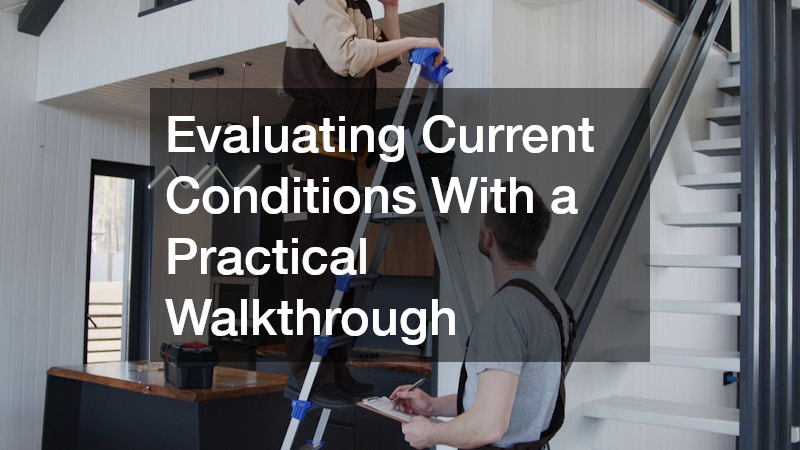
The most effective upgrades start with a clear understanding of what already exists. Instead of jumping into renovations, take time to evaluate how your home functions on a daily basis.
Walk through each room as if you’re seeing it for the first time. Pay attention to how you move through spaces, where you pause, and what feels slightly inconvenient. Those small friction points often signal where improvements will have the greatest impact.
A useful way to approach this is by asking a few targeted questions:
- Are there areas where lighting feels dim or inconsistent?
- Do any pathways feel narrow or cluttered?
- Are fixtures easy to reach and operate without strain?
Certain systems in the home require a closer look because their issues aren’t always visible. For example, aging pipes can lead to inconsistent water pressure or temperature fluctuations, which may not seem urgent until they become disruptive. Bringing in a plumber at this stage can help identify inefficiencies or risks before they escalate.
Similarly, electrical systems play a major role in accessibility. Outlets placed too low or switches positioned awkwardly can become frustrating over time. A professional specializing in local electrical installation can evaluate whether your current setup supports modern accessibility needs, including better lighting distribution and safer wiring.
The goal of this evaluation isn’t to create a long list of problems—it’s to build a prioritized plan. Focus first on the areas that affect daily routines, then expand outward to less frequently used spaces.
Improving Entry Points for Effortless Daily Access
The transition between indoors and outdoors is one of the most overlooked aspects of accessibility. Entryways often include steps, uneven surfaces, or doors that require more strength than expected.
Think about the experience of coming home with groceries or stepping outside after a rainstorm. These moments reveal how well an entryway truly functions. Even a small lip at the threshold can become a tripping hazard, especially when combined with wet surfaces.
Improving these spaces often starts with leveling transitions and widening doorways. But beyond structural changes, there are subtle enhancements that make a noticeable difference. For instance, installing protective coverings can shield entry points from harsh weather, reducing the likelihood of slippery conditions. This is where thoughtful additions like shutter installation can help protect openings while also improving durability.
Another approach is to create a buffer zone between the exterior and interior. Enclosed spaces, such as a screen room, provide a controlled environment where you can adjust to temperature changes, remove shoes, or simply pause before entering the main living area. These spaces are especially valuable in regions with intense heat, humidity, or insects.
Accessibility at the entry level sets the tone for the rest of the home. When it feels easy to come and go, daily life becomes noticeably smoother.
Addressing Vertical Movement With Thoughtful Solutions
Stairs are one of the most common barriers in multi-level homes. While they may not present an immediate issue, they often become a limiting factor over time.
There are two primary approaches to addressing this challenge: modifying the stairs themselves or reducing reliance on them altogether. For many homeowners, installing a stair lift provides a practical and immediate solution. These systems allow for safe, seated travel between floors without requiring significant structural changes.
However, installing such equipment isn’t just about placement. It also involves ensuring that the home’s electrical system can support it reliably. This is another scenario where local electrical installation expertise becomes essential. Proper wiring and backup power options can make the difference between a dependable system and one that creates new concerns.
For those who prefer to avoid mechanical solutions, consider how the home’s layout can adapt. Converting a ground-floor room into a bedroom or relocating essential living functions to one level can eliminate the need for stairs entirely.
Whichever path you choose, the focus should remain on maintaining independence while reducing risk.
Reimagining Bathrooms for Comfort and Stability
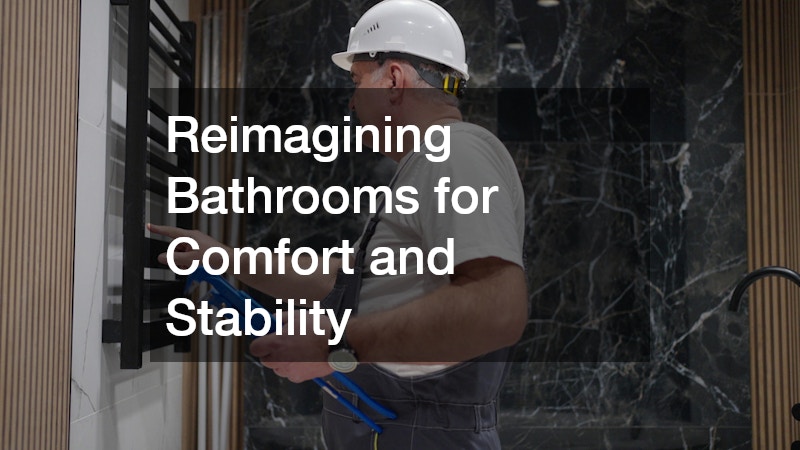
Bathrooms are often the first place where accessibility challenges become apparent. Wet surfaces, tight spaces, and awkward fixtures can combine to create a high-risk environment.
Rather than making isolated changes, it’s helpful to think of the bathroom as a system that should work seamlessly together. Start with the shower or bathing area. Replacing traditional tubs with walk-in designs allows for easier entry and exit, especially when paired with secure enclosures like shower glass that provide both visibility and containment.
Water control is another critical factor. Temperature fluctuations or weak pressure can make daily routines uncomfortable. Working with a plumber ensures that the system delivers consistent performance while also addressing potential leaks or drainage issues.
Beyond these upgrades, consider how the space feels to use. Are grab bars positioned where they’re naturally needed? Is there enough room to move freely without bumping into fixtures? Small adjustments in layout can dramatically improve usability.
A well-designed bathroom doesn’t just reduce risk—it restores confidence in performing everyday tasks independently.
Creating a Kitchen That Supports Ease and Efficiency
The kitchen is often the heart of the home, but it can also be one of the most challenging spaces to navigate as mobility changes.
Instead of focusing on aesthetics alone, think about how each element contributes to functionality. Lowering countertops, for example, makes food preparation more accessible whether standing or seated. Cabinets with pull-out shelves reduce the need to reach or bend excessively.
Lighting plays a surprisingly large role here. Shadows can make it difficult to see what you’re doing, increasing the risk of accidents. Upgrading the lighting system through local electrical installation can ensure that work areas are evenly illuminated.
There’s also room for creativity in how storage is approached. Repurposed materials like wood pallets can be transformed into accessible shelving or organizers, offering both practicality and a personalized touch.
Ultimately, the goal is to create a kitchen where tasks feel intuitive rather than strenuous.
Enhancing Outdoor Areas for Safe Enjoyment
Outdoor spaces should feel inviting, not intimidating. Yet uneven ground, overgrown plants, and poor visibility can quickly turn them into areas to avoid.
Start by addressing the landscape itself. Overhanging branches or unstable trees can pose risks during storms or high winds. Hiring a tree service to assess and maintain these elements helps keep the environment safe and manageable.
From there, consider how the space is used. Walkways should be smooth and clearly defined, with materials that provide traction even when wet. Seating areas should be easy to access without navigating obstacles.
For those who enjoy spending time outside but want added protection, enclosed areas like a screen room offer a balance between openness and security. These spaces allow you to enjoy fresh air without worrying about insects or sudden weather changes.
A well-maintained outdoor area extends the livable space of the home while supporting both relaxation and safety.
Preparing the Home for Unexpected Emergencies
Emergencies rarely happen on schedule, which is why preparation is so important—especially for those planning to remain in their homes long term.
Severe weather is a major consideration in many regions. Reinforced spaces, such as storm shelters, provide a secure location during extreme conditions. These structures are designed to withstand high winds and debris, offering peace of mind when it matters most.
Protective measures don’t stop there. Windows and doors are vulnerable points that can be strengthened through upgrades like shutter installation, which helps shield the home from impact and pressure changes.
Beyond structural improvements, it’s worth thinking through how you would respond in an emergency. Are exits easy to access? Is there a clear plan for communication if power is lost? Having emergency supplies stored in accessible locations can also make a significant difference during urgent situations.
Preparation isn’t about expecting the worst—it’s about ensuring that you’re ready for it without panic or confusion.
Expanding or Adapting Structures for Long-Term Needs
As needs evolve, the home itself may need to expand or adapt. This doesn’t always mean a full-scale renovation; sometimes it involves adding or modifying specific structures to better support daily life.
For example, a detached workspace or guest area can provide flexibility for caregivers or visiting family members. Working with a local barn builder allows for custom designs that prioritize accessibility from the ground up, including wider doorways and barrier-free layouts.
Material choices also play a role in long-term usability. Durable, cost-effective options like wood pallets can be incorporated into construction or finishing details, offering both strength and versatility.
The key is to think ahead. Spaces that feel optional today may become essential in the future, so designing them with accessibility in mind ensures they remain functional over time.
Strengthening Visibility and Navigation Throughout the Home
Good lighting does more than brighten a room—it shapes how you move through it. Poor visibility can lead to hesitation, missteps, or accidents, especially in areas with changing elevations or tight corners.
Instead of relying on a single overhead fixture, consider layering different types of lighting. Ambient lighting provides general illumination, while task lighting focuses on specific areas like reading nooks or workspaces.
Motion-activated lights can be particularly helpful in hallways or bathrooms, reducing the need to search for switches in the dark. Upgrading these systems often involves adjustments to wiring and placement, making local electrical installation a valuable resource for ensuring everything functions reliably.
Color contrast is another subtle but effective tool. Differentiating floors, walls, and edges helps with depth perception, making it easier to navigate the space confidently.
When visibility improves, so does the overall sense of control within the home.
Maintaining the Home to Prevent Future Challenges
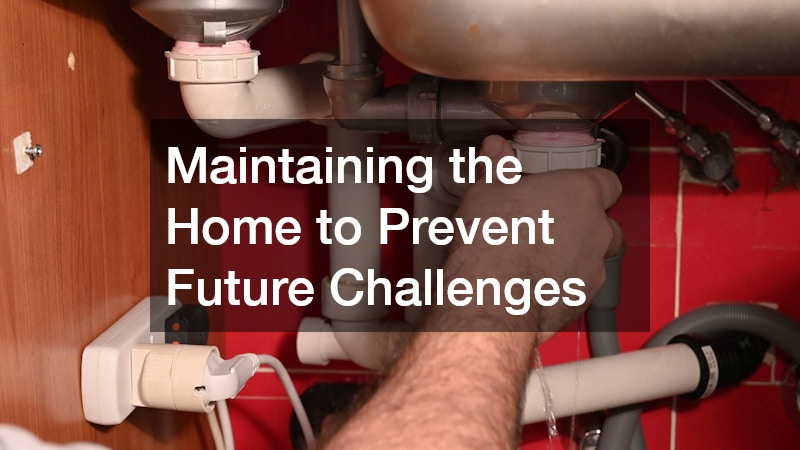
Even the most thoughtfully designed home requires ongoing care. Maintenance isn’t just about preserving appearance—it’s about preventing small issues from becoming significant obstacles.
Regular inspections can catch problems early, whether it’s a slow leak or a cracked walkway. Scheduling periodic visits from a plumber ensures that water systems remain efficient and safe, while routine checkups from a tree service keep outdoor areas clear and stable.
It can be helpful to think of maintenance as a rhythm rather than a checklist. Seasonal changes often dictate what needs attention, from clearing debris in the fall to checking drainage systems in the spring.
Over time, these small efforts add up. They protect the investments you’ve made and ensure that your home continues to support your needs without interruption.
Bringing It All Together for a Home That Evolves With You
Designing a home for aging in place is ultimately about creating a space that feels supportive rather than limiting. It’s a process that unfolds gradually, shaped by both current needs and future possibilities.
Every improvement—whether it’s adjusting lighting, rethinking a layout, or reinforcing a structure—contributes to a larger goal: maintaining independence without sacrificing comfort. The most successful homes are those that adapt quietly in the background, allowing daily life to flow naturally.
By approaching accessibility as an ongoing effort rather than a one-time project, you build a home that not only meets your needs today but continues to serve you well into the future.