Owning a home is one of life’s most significant achievements, offering comfort, personal freedom, and long-term financial security. However, houses are complex environments constantly exposed to environmental stresses, unexpected mechanical breakdowns, and sudden structural failures. While routine maintenance keeps building systems running smoothly under normal conditions, unexpected emergencies can strike without warning. A severe thunderstorm can send a tree branch through the roof, an old pipe can burst in the middle of the night, or an electrical short can threaten your family’s safety in seconds.
When crisis hits, standard maintenance schedules are insufficient; immediate, specialized intervention is required to stabilize the property and prevent compounding structural destruction. Emergency home services serve as a critical safety net for homeowners, providing rapid response teams trained to handle volatile, high-stress situations. By addressing urgent hazards the moment they appear, professional emergency technicians mitigate severe property loss, protect your family’s health, and save tens of thousands of dollars in long-term restoration costs. This comprehensive guide details how round-the-clock emergency home services safeguard your home, preserve its structural integrity, and restore total peace of mind when the unexpected occurs.
Responding Quickly to Unexpected Electrical Hazards
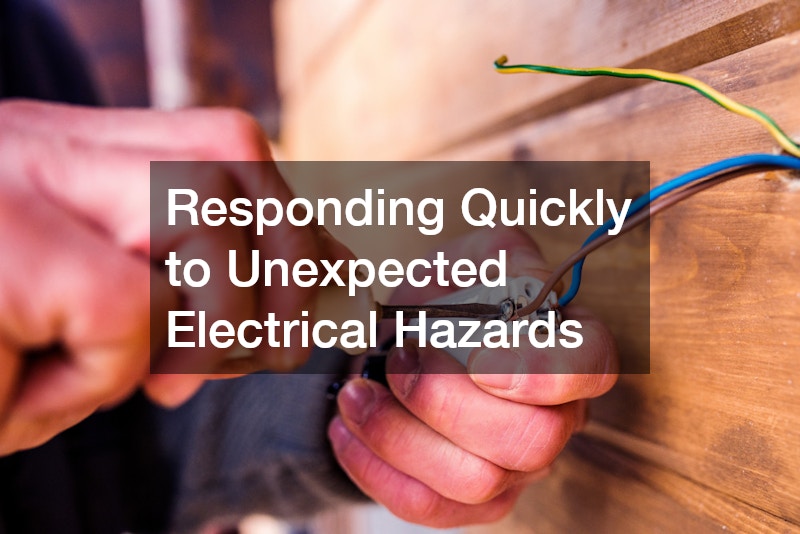
Electrical infrastructure is the invisible pulse of a modern home, powering heating and cooling units, food refrigeration, security systems, and everyday lighting. Yet, because electrical currents flow quietly behind drywall and inside breaker panels, sudden electrical failures can escalate into catastrophic hazards before homeowners realize there is a problem. Pungent burning odors near outlets, flickering lights during heavy appliance use, buzzing breaker boxes, or exposed wiring from sudden physical damage represent immediate fire risks that require instant professional mitigation.
Attempting to diagnose or repair high-voltage electrical faults without specialized diagnostic gear and high-voltage training carries severe risks of electrocution, arc flashes, and structural fires. Calling certified emergency electricians guarantees that a qualified specialist arrives equipped with thermal imaging cameras, voltage meters, and personal protective equipment to quickly isolate power to dangerous circuits. Emergency electricians can bypass fried panels, repair scorched wiring, safely restore lost power during severe storms, and resolve dangerous grounding faults. Rapid electrical intervention neutralizes severe fire threats instantly, ensuring your home’s power grid remains safe, stable, and fully functional.
Preventing Water Damage From Urgent Plumbing Problems
Water is a non-negotiable household necessity, but uncontrolled water in motion is one of the most destructive forces a property can face. A ruptured main supply line, a frozen pipe bursting inside an exterior wall, or a sudden sewer line backup can release hundreds of gallons of water into your living spaces in less than an hour. Uncontrolled water rapidly saturates subfloors, warps hardwood, dissolves interior drywall, and destroys electrical wiring, creating an immediate structural crisis that worsens with every passing minute.
When plumbing infrastructure fails catastrophically, every second counts in shutting down supply pressure and containing the flow. Utilizing dedicated emergency plumbing services ensures that experienced plumbers arrive on-site with commercial pipe-freezing kits, high-capacity sump pumps, and heavy-duty pipe clamps to stop pressurized leaks immediately. Beyond stopping active water flow, emergency plumbers use specialized hydro-jetting equipment and drain augers to clear main sewer line blockages, preventing unsanitary waste from backing up into tubs and sinks. Stopping active water intrusion at the source prevents deep structural saturation and limits the overall scope of expensive interior reconstruction.
Removing Wildlife Before It Causes Further Damage
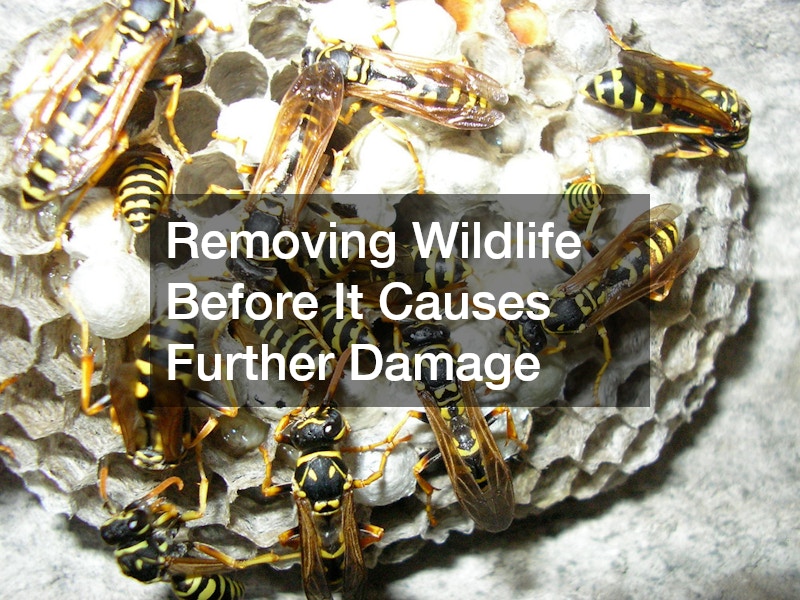
Severe weather, forest clearing, or changing seasonal temperatures often drive wild animals into human residences seeking shelter, warmth, and food. Raccoons, squirrels, bats, opossums, and rodents can easily exploit minor roof gaps, unsealed chimney flues, or open soffits to access attics and crawlspaces. Once inside, wild animals quickly become destructive, chewing through electrical wiring, shredding attic insulation for nesting materials, and puncturing HVAC ductwork, creating severe fire risks and utility efficiency loss.
Beyond physical property destruction, wild animals carry dangerous pathogens, parasites, and bacteria that pose severe health risks to human occupants through airborne droppings and urine. Contacting a professional emergency animal removal specialist ensures that invasive wildlife is trapped and removed humanely using specialized handling equipment, exclusion gates, and protective gear. Emergency animal technicians also identify and seal structural entry points across your roofline and foundation to prevent re-entry. Removing destructive animals swiftly protects your electrical infrastructure from rodent fires, eliminates biological contamination, and preserves your home’s structural insulation.
Restoring Your Home After Sudden Property Damage
When a home suffers sudden structural trauma—whether from vehicle impacts, severe windstorms, fallen trees, or sudden localized fires—the immediate priority is securing the building envelope against secondary weather exposure and unauthorized entry. Exposed wall framing, shattered windows, and compromised roof decking leave personal belongings, interior finishes, and structural timbers vulnerable to rain, wind, looting, and pest intrusion.
Emergency recovery requires a rapid structural stabilization response designed to lock down the property before permanent restoration work begins. Partnering with a specialized emergency damage restoration team guarantees that emergency crews arrive with heavy-duty structural tarps, plywood boarding materials, temporary shoring jacks, and debris clearance equipment. Restoration specialists immediately board up shattered window openings, cover compromised roof sections with industrial weather barriers, and shore up unstable framing. Securing the physical perimeter immediately after trauma protects remaining structural elements, keeps interior contents dry, and establishes a safe environment for insurance adjusters and reconstruction crews to assess the damage.
Eliminating Dangerous Trees After Severe Weather
Mature trees bring immense natural beauty, shade, and value to a residential property, but severe weather events can quickly turn heavy branches and rotting trunks into lethal liabilities. Microbursts, ice storms, heavy wet snow, and high winds can uproot massive trees or snap heavy limbs, bringing them crashing down onto rooflines, driveways, vehicles, and power lines. A fallen or dangerously leaning tree poses an ongoing structural threat, as shifting weight can cause further roof collapse or crush surrounding utility infrastructure.
Clearing fallen or leaning timber after a storm requires heavy lifting equipment, commercial chainsaws, and precise rigging methods to prevent further property damage during removal. Contacting an experienced emergency tree removal service ensures that certified arborists and crane operators arrive to safely manage dangerous tree loads. Emergency tree crews utilize specialized cranes, bucket trucks, and rigging lines to lift heavy trunks off structural roofs without causing additional damage to remaining walls or framing. Removing fallen timber promptly eliminates immediate crush hazards, clears driveway access for emergency vehicles, and allows roofers to safely access damaged roof decking for emergency repairs.
Protecting Your Home After Roofing Emergencies
Your roof is your home’s primary shield against atmospheric elements, bearing the full force of driving rain, hail, intense wind, and heavy snow loading. When severe weather tears away asphalt shingles, compromises flashing around chimneys, or punctures roof decking with flying debris, water instantly begins migrating through the attic insulation and down into living spaces. A compromised roof envelope can cause ceiling collapses, short-circuit electrical fixtures, and ruin interior furnishings within hours of a storm passing through.
Handling a roofing crisis demands immediate, professional physical intervention, often while severe weather is still occurring in the area. Partnering with a vetted emergency roofer guarantees that trained technicians deploy emergency roof tarping systems, secure loose flashing, and apply temporary waterproofing membranes to seal open punctures immediately. Emergency roofers conduct rapid structural assessments to determine if underlying roof rafters have been compromised and apply temporary supports to prevent ceiling sagging or collapse. Securing your roof envelope immediately stops water infiltration at the top of the house, preserving your interior living spaces until full roof reconstruction can be completed.
Restoring Indoor Comfort When Climate Systems Fail
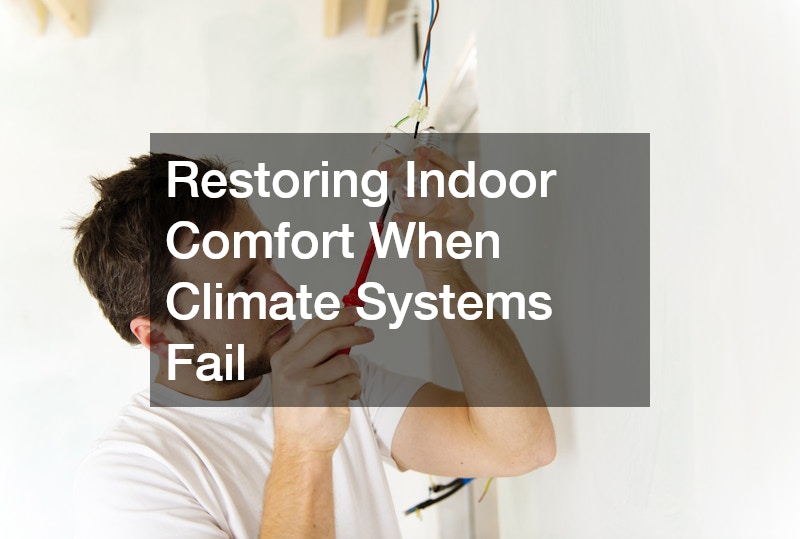
Maintaining a safe, functional climate control system is far more than a matter of personal luxury; in extreme weather conditions, it is a vital necessity for human health and property protection. A sudden furnace failure during sub-zero winter temperatures can cause interior water pipes to freeze and burst within hours, flooding the home. Conversely, an air conditioning breakdown during an extreme summer heatwave presents severe health risks to elderly family members, young infants, and pets, while allowing humidity levels to soar indoors, promoting rapid mold growth.
When heating or cooling systems break down suddenly during weather extremes, waiting days for a standard service appointment is not an option. Contacting a 24/7 HVAC repair technician ensures that an experienced specialist arrives equipped with diagnostic tools, replacement motors, capacitors, control boards, and refrigerant to resolve system failure. Emergency climate technicians quickly diagnose electrical faults, repair frozen evaporator coils, replace failed igniters, and clear clogged condensate lines to restore safe airflow. Rapid climate restoration stabilizes indoor temperatures, protects household occupants from heat exhaustion or freezing conditions, and prevents catastrophic frozen pipe bursts throughout the plumbing system.
Recovering Safely After Fire-Related Damage
A house fire is one of the most terrifying emergencies a homeowner can experience, leaving behind a complex combination of structural charring, toxic smoke residue, corrosive soot, and massive water saturation from firefighting efforts. Even after the flames are extinguished, the destruction continues silently. Soot particles are highly acidic and will permanently pit, stain, and corrode metal fixtures, glass, and quartz surfaces if not chemically neutralized within hours of the fire event.
Navigating the aftermath of a fire requires specialized chemical cleaning, structural shoring, and advanced odor elimination techniques. Engaging a certified fire damage restoration company guarantees that trained technicians enter the property immediately to remove wet insulation, clear charred debris, and apply specialized alkaline counter-reactants to neutralize acidic soot. Restoration teams utilize industrial HEPA air scrubbers, thermal fogging units, and ozone generators to draw deeply embedded smoke odor out of wall framing, subfloors, and concrete foundations. Rapid post-fire restoration halts chemical corrosion, secures unstable structural timber, and begins the delicate process of reclaiming your home’s air quality and structural safety.
Minimizing the Effects of Flooding and Water Intrusion
Whether caused by severe weather surges, overflowing rivers, or a massive internal plumbing failure, flooding introduces large volumes of water into subfloors, wall cavities, and concrete slabs. Water migrates rapidly through porous building materials through capillary action, wicking upward into drywall, insulation, and timber framing. If standing water and deep moisture are not extracted using industrial-grade equipment, saturated building materials will warp, rot, sag, and break down completely within days.
Mitigating flood damage requires powerful, specialized water extraction and structural drying technology that far exceeds the capabilities of standard consumer shop vacuums. Hiring professional local water damage services ensures that certified technicians deploy heavy-duty truck-mounted water extractors, commercial desiccant dehumidifiers, and high-velocity air movers to strip moisture out of saturated building materials. Technicians use non-invasive moisture meters and thermal imaging cameras to track hidden water pockets behind baseboards and beneath hardwood flooring. Thorough structural drying prevents subfloor warping, protects structural framing from rot, and eliminates the environmental conditions needed for dangerous microbial growth.
Addressing Mold Growth Before It Impacts Your Health
Whenever water intrusion, elevated humidity, or hidden plumbing leaks are left unaddressed for more than 24 to 48 hours, microscopic mold spores naturally present in the air begin to germinate on organic building materials like drywall paper, wood framing, and carpet padding. Toxic strains, such as Stachybotrys chartarum (commonly known as black mold), produce airborne mycotoxins that cause severe respiratory distress, allergic reactions, persistent headaches, and chronic health issues for household occupants, particularly children and individuals with compromised immune systems.
Remediating toxic mold requires strict environmental containment protocols to prevent microscopic spores from spreading into unaffected areas of the residence during the removal process. Partnering with a certified black mold removal team ensures that technicians seal off contaminated zones using heavy plastic sheeting and negative-air pressure machines fitted with HEPA filtration media. Specialists safely strip away mold-infested drywall, apply EPA-registered antimicrobial treatments to structural wood framing, and physically scrub air volumes clean. Eliminating mold at its root restores healthy indoor air quality, stops biological structural rot, and ensures your living environment is completely safe for human occupancy.
Taking a swift, decisive approach to unexpected property disasters is the single most effective strategy for protecting your family, preserving your building envelope, and maintaining your financial equity. From resolving high-voltage electrical shorts and stopping pressurized plumbing bursts to removing dangerous trees and drying flooded subfloors, emergency home services provide the rapid technical support needed to stabilize your home during a crisis. By building a network of trusted, round-the-clock emergency professionals before disaster strikes, you ensure that unexpected home emergencies remain temporary setbacks rather than permanent structural catastrophes.