Gain insights into the essential HVAC services that can enhance the comfort, efficiency, and air quality of your home. This article will answer common questions homeowners have as they explore their HVAC needs.
What are the contemporary HVAC systems available today?
Contemporary HVAC systems are designed to optimize both comfort and energy efficiency. Modern systems include heat pumps, split systems, and hybrid HVAC units, each catering to distinct home environments and homeowner preferences.
Heat pumps provide an energy-efficient alternative by transferring heat rather than generating it, which can significantly reduce the energy consumption for heating and cooling. This system is particularly advantageous in moderate climates where temperature fluctuations are minimal throughout the year. The advancement in technology also means that many new systems come with smart thermostats that enable better control over home temperatures remotely.
Split systems continue to be popular due to their flexibility and efficiency in providing both heating and cooling. These systems are comprised of an indoor and outdoor unit, which work together to maintain desired home conditions. Ductless mini-split systems, a variant of the traditional split systems, offer the benefit of discreet and efficient temperature control without the need for extensive ductwork. These systems are ideal for homes that require zoning, allowing different areas of the home to be heated or cooled independently. Furthermore, their installation process is generally less invasive compared to fully ducted systems.
Hybrid systems combine the energy efficiency of electric heat pumps with the robust performance of gas furnaces. These systems automatically switch between heat pump and furnace operation based on outside temperatures to achieve optimal comfort and efficiency. This dual-operation capability ensures homeowners enjoy the reduced operating costs of heat pumps and the reliable warmth provided by gas furnaces during colder months. The versatility of hybrid systems makes them appealing for climates with extreme weather variations. Investing in contemporary HVAC systems can thus, significantly contribute to lower utility bills and a reduced carbon footprint.
How often should you perform maintenance on your HVAC system?
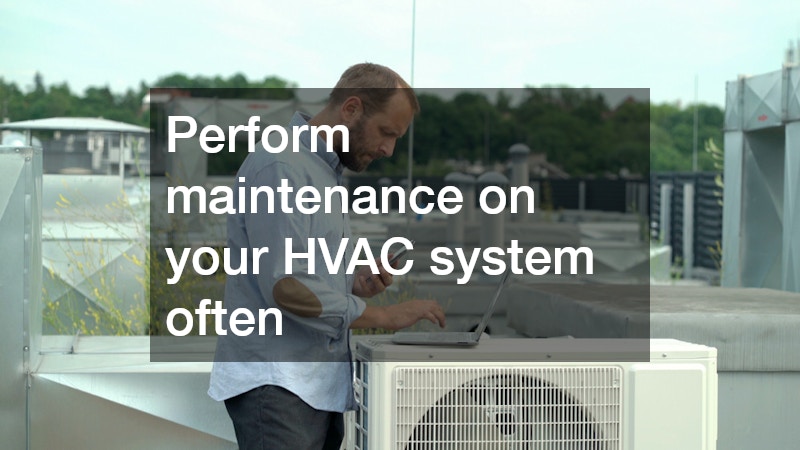
Regular maintenance of your HVAC system is crucial to ensure its longevity and efficient performance. Most experts recommend scheduling professional maintenance at least twice a year: once in the spring for the cooling system and again in the fall for the heating system. This biannual schedule permits HVAC technicians to inspect, clean, and tune-up your system, ensuring it operates at peak efficiency before the extreme weather seasons set in. During these maintenance visits, components such as filters, coils, and blowers are thoroughly checked to avert any potential malfunctions. Moreover, regular maintenance can significantly extend the lifespan of the HVAC unit, thereby delaying the need for costly replacements.
Aside from professional servicing, homeowners are advised to perform routine checks, such as changing air filters every one to three months. Clean filters facilitate proper air flow and prevent dust and allergens from circulating within your home, thereby preserving indoor air quality. Neglecting this simple task can lead to system strain and may inadvertently cause an increase in energy consumption. Consequently, a regime of proactive maintenance not only guards against unexpected breakdowns but also helps maintain a comfortable and healthy living environment. Furthermore, maintaining regular service records can facilitate prompt warranty claims and assure service history when it is time to resell the home.
In addition to regular checks and professional servicing, some homeowners invest in subscription services offered by HVAC companies. These programs often include scheduled inspections, priority service, and discounted repairs, ensuring that routine maintenance is both convenient and cost-effective. The preventive nature of these programs facilitates early detection of issues that could lead to costly repairs if left unchecked. Therefore, adhering to a regular maintenance schedule can be viewed as an investment in both peace of mind and financial savings. Notably, a well-maintained HVAC system is more energy-efficient, leading to lower utility bills and contributing positively to environmental responsibility.
What are the signs that your HVAC system needs repair?
Aging HVAC systems often exhibit identifiable signs indicating the need for repairs. One such sign is an unusual noise emanating from the system during operation, which could suggest problems with the components such as loose parts or damaged fans. Another potential sign is inadequate airflow or insufficient temperature control despite adjusting the thermostat, which may indicate issues with the ductwork or thermostat malfunctions. Additionally, a significant increase in energy bills can also signal inefficiency within the system, where it has to work harder to maintain comfort levels. Homeowners should also be wary of unusual odors, as these may indicate problems like mold growth or burned-out components within the system.
Furthermore, frequent short cycling, where the system turns on and off more than usual, is another red flag. Short cycling is often symptomatic of larger underlying issues such as refrigerant leaks or incorrect sizing of the HVAC system relative to the home’s requirements. If ignored, this symptom can lead to decreased comfort levels and increased wear and tear on the system, potentially resulting in major breakdowns. Keeping an eye on these symptoms allows homeowners to preemptively address problems before they escalate into significant repairs or replacements. Promptly scheduling professional assessment and repairs can save on long-term costs and minimize any inconvenience caused by prolonged system downtime.
Another indication your system may need repair is the presence of excessive humidity within the home. An effective HVAC system should be able to regulate both temperature and humidity to provide optimal indoor conditions. If humidity levels are uncomfortable, it may point to malfunctioning components such as the evaporator coil or compromised ductwork. Persistent repair needs signal the necessity for a thorough system overhaul or replacement. Regular system checks and awareness of these critical signs can help homeowners maintain efficient and effective HVAC functionality within their homes.
How do you choose the right HVAC system for your home?
Selecting the right HVAC system for your home involves several key considerations to ensure you find one that meets your specific needs. It is important to assess the size and layout of your home, as this influences the type and size of the HVAC system needed to efficiently heat or cool the space. Engaging a reputable HVAC contractor to perform a load calculation can aid in determining the proper system size for top efficiency and comfort. An improperly sized system can lead to frequent cycling or insufficient climate control, which can both be costly and uncomfortable over time. Furthermore, understanding your regional climate is pivotal for choosing a system that can adequately handle local weather conditions.
Energy efficiency is another critical factor to consider, typically represented by the system’s Seasonal Energy Efficiency Ratio (SEER) or Annual Fuel Utilization Efficiency (AFUE) ratings. Systems with higher ratings signify better efficiency and potential savings on utility bills. Investing in a high-efficiency unit may come with a higher upfront cost but can translate to long-term savings due to reduced energy consumption. Additionally, careful evaluation of the technological features a system offers, such as smart thermostats and zoning capabilities, may enhance user convenience and control. It is important to consider both initial cost and long-term value when selecting your HVAC system.
The type of fuel source available or desired should also guide the decision-making process, as HVAC systems can operate using different energy sources such as electricity, natural gas, or oil. Each option presents unique benefits and considerations in terms of cost, availability, and environmental impact. For homeowners inclined towards sustainability, exploring systems incorporating renewable energy sources such as solar-powered HVAC units can be rewarding. Collaborating with a knowledgeable HVAC provider can significantly simplify the selection process, ensuring the installed system aligns with your comfort preferences, budget, and environmental considerations.
What are the benefits of regular HVAC maintenance?
Routine HVAC maintenance extends beyond merely ensuring system efficiency; it significantly enhances the comfort and safety of your home. Regular inspections and tune-ups help spot minor issues before they turn into costly repair jobs, promoting potentially substantial cost savings in the long run. Scheduled maintenance means that filters are regularly changed, maintaining healthy indoor air quality by filtering out dust, allergens, and pollutants. Given that clean air contributes to healthier respiratory conditions, maintaining a functional HVAC system can be critical for households with sensitive individuals or those prone to respiratory issues. As preserved system efficiency translates into reduced energy consumption, regular maintenance also supports environmental sustainability initiatives.
Besides cost savings and environmental impact, regular HVAC maintenance increases the reliability of the system. When systems operate optimally, they are less prone to unexpected breakdowns, meaning homeowners enjoy consistent comfort without the interruptions of frequent repairs. Homeowners who engage in routine system servicing enjoy a higher peace of mind, knowing their systems are running safely. Through preventive care, essential components like the compressor and heat exchanger are checked for wear, reducing the likelihood of dangerous faults such as gas leaks or electrical failures. Regular servicing ensures your HVAC unit adheres to manufacturer warranties, potentially safeguarding against expensive replacements.
Furthermore, consistent maintenance plays a crucial role in extending the lifespan of the HVAC system. An efficiently functioning system not only costs less to operate but also defers the need for expensive replacements. By investing in regular tune-ups, homeowners can expect the system to reach its maximum operational lifespan, often surpassing ten years. Establishing a disciplined maintenance schedule with a trusted HVAC professional can guide homeowners in planning for timely component replacements and system upgrades. Synthetic coolant or refrigerant recharges, for instance, are necessary to retain efficient temperature regulation capabilities. Thus, the benefits of routine HVAC maintenance comprehensively support both immediate and long-term resident comfort and home efficiency.
Understanding the various facets of HVAC systems and their maintenance can significantly impact your home’s comfort and efficiency. By addressing these common questions, homeowners can make informed decisions regarding their HVAC needs. Awareness and regular care ensure that HVAC systems not only provide consistent comfort but also contribute to household energy efficiency and reduced environmental impact. Thus, prioritizing HVAC maintenance and informed system choices can have far-reaching benefits for both residents and the broader community. Ultimately, an investment in the right HVAC services aligns with the overarching goals of comfort, savings, and sustainability within the home.