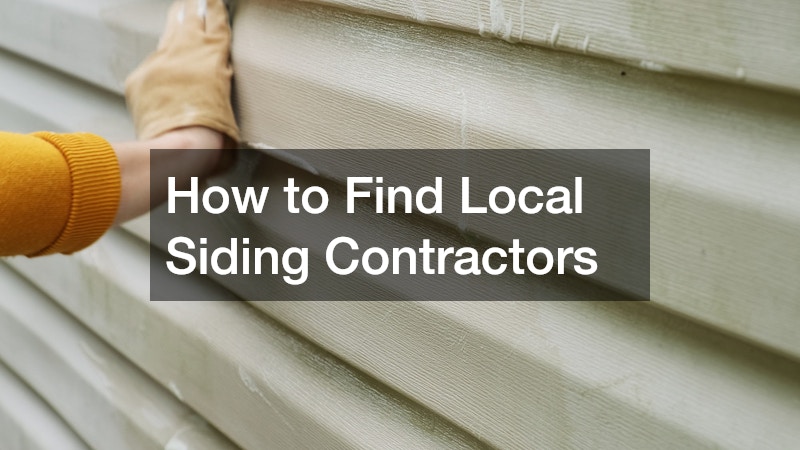
How to Find Local Siding Contractors
Updating your home’s exterior is one of the most impactful investments you can make as a property owner. New siding transforms curb appeal, improves energy efficiency, and protects your home’s underlying structural framework from moisture, wind, and pest damage. However, the ultimate success of your renovation project depends less on the brand of siding you select and more on the skill of the team installing it.
Knowing how to find local siding contractors who bring proven technical expertise, proper licensing, and genuine local accountability to your project ensures that your financial investment yields lasting returns.
Understanding the Value of Working Locally
When planning a major home improvement project, hiring regional professionals offers clear practical advantages over national chains or out-of-town crews. Regional contractors understand specific localized weather patterns, severe winter freeze-thaw cycles, high summer humidity, and coastal salt air, all of which dictate correct installation techniques and material choices.
Additionally, established neighborhood professionals have built their livelihoods on word-of-mouth reputation within your immediate community. They maintain working relationships with regional building departments, ensuring that permits are pulled correctly and work complies with local building codes. If minor warranty adjustments or unexpected repairs arise years down the road, local siding contractors remain accessible and accountable to address your needs, rather than disappearing after the final check clears.
Research and Source Candidates Thoroughly
Finding qualified professionals requires gathering recommendations from multiple reliable sources rather than relying on a single internet search result.
-
Seek Personal Referrals: Ask neighbors, friends, and coworkers who have recently completed exterior renovations. Personal recommendations provide honest, unedited insights into a contractor’s punctuality, work ethic, cleanliness, and communication styles.
-
Explore Neighborhood Platforms: Local community message boards and social media groups frequently discuss trade services. Look for names that receive consistent praise across multiple separate threads.
-
Consult Local Trade Associations: Reputable contractors often belong to regional homebuilders’ associations, local chambers of commerce, or national organizations like the National Association of the Remodeling Industry (NARI).
-
Verify Manufacturer Directories: Major siding manufacturers maintain certified installer databases on their websites. Professionals listed in these directories have undergone specialized factory training to install specific materials according to exact technical standards.
Verify Credentials and Insurance Compliance
Before inviting potential candidates to inspect your home or submit a bid, independently verify that they hold all required operational credentials:
-
State and Municipal Licensing: Check active registration status directly with state licensing boards to confirm the contractor is legally authorized to work in your area.
-
General Liability Insurance: Ensure the business carries a policy with adequate coverage—typically a minimum of $1,000,000—to protect against potential property damage during construction.
-
Workers’ Compensation Coverage: Verify active coverage protecting installation crews in the event of an on-site injury, shielding you from personal liability.
-
Manufacturer Badges: Look for elite or factory-direct installer certifications that demonstrate advanced technical proficiency with specific product lines.
Never hesitate to request written proof of insurance. A reputable firm will have their insurance carrier send certificate documents directly to you listing your property address as the certificate holder.
Conduct In-Person Site Inspections and Interviews
Once you narrow your list down to three or four qualified firms, schedule on-site consultations. Pay close attention to how each contractor interacts with you, evaluates your property, and approaches project details.
-
Observation and Assessment: A thorough professional will walk around your entire home, measuring surfaces carefully while inspecting existing fascia, soffits, trim, and structural flashing. Be cautious of anyone who offers a firm quote after a two-minute visual glance.
-
Inquire About Crew Structure: Ask whether the work will be performed by in-house employees or subcontractors. If subcontractors are utilized, ask how their work is supervised and whether they carry independent insurance coverage.
-
Discuss Moisture Barriers: Quality exterior work requires more than just hanging new panels over old walls. Ask about their process for replacing compromised house wrap, installing moisture barriers around windows and doors, and repairing underlying wood rot before final panels are applied.
Compare Detailed Bids and Avoid Price Traps
After completing site visits, request itemized written estimates from each firm. A professional bid should break down every key phase of the project:
-
Material Specifications: Confirm exact brand names, panel thickness, profile styles, color choices, and trim details rather than generic descriptions.
-
Preparation Work: Ensure the quote includes details on tearing off existing siding, repairing damaged sheath boards, and applying new weather-resistant house wrap.
-
Waste Management: Check for explicit provisions regarding on-site dumpsters, daily debris cleanup, and post-project magnetic sweeps to collect dropped nails.
-
Payment Schedule: Look for reasonable progress payment terms tied to completed project milestones rather than large upfront cash demands.
Be wary of bids that come in drastically lower than the average regional range. Substantially low prices often indicate substandard materials, uninsured labor, or hidden fees that will be tacked on later through unexpected change orders.
Finalizing the Agreement
Once you have chosen your preferred professional, ensure that every verbal promise is documented in a formal written contract. The document should explicitly state project start and completion dates, chosen material colors and specifications, cleanup responsibilities, and comprehensive warranty details covering both manufacturer materials and labor craftsmanship. By following a structured vetting process, you can confidently hire local siding contractors who will deliver a durable, beautiful, and valuable transformation for your home.