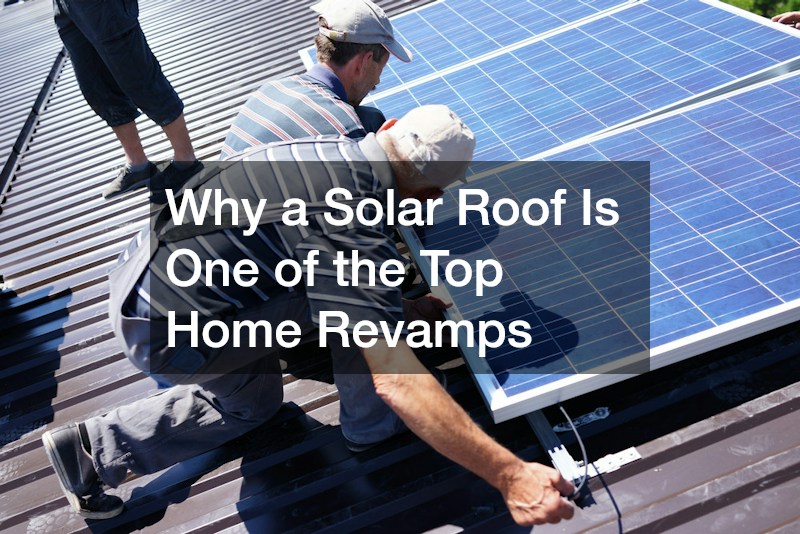
Home improvement projects can make a property more comfortable, functional, attractive, or valuable, but some upgrades have the potential to accomplish several of these goals at once. Solar roofing is one option homeowners may consider when planning a major exterior renovation. By combining improvements to the home’s energy infrastructure with attention to one of its most important protective surfaces, homeowners can make changes designed to provide benefits for years.
Solar technology has also become a more familiar feature of residential properties. Instead of thinking about energy production as something that happens exclusively at large power plants, homeowners can generate a portion of their electricity directly on their properties. The right approach depends on factors such as the home’s location, roof condition, electricity consumption, available sunlight, budget, and long-term plans.
A successful project requires more than simply placing panels on a roof. Homeowners should consider their energy needs, the condition of existing roofing materials, equipment options, installation requirements, and future maintenance. Understanding these factors can make solar roofing one of the most comprehensive home revamps available.
Understand Why Solar Roofing Can Increase Long-Term Home Value
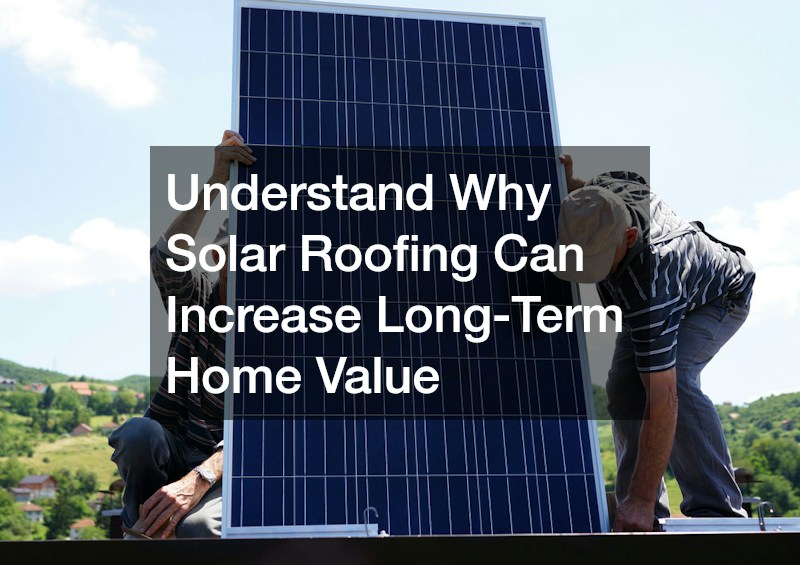
Homeowners often evaluate renovations based on what they will gain immediately and what the improvement could mean for the property over time. Solar roofing can provide both practical and financial considerations because the project changes how a home obtains at least some of its electricity while adding modern energy technology to the property.
Working with a solar company can help homeowners estimate how much electricity a proposed installation could generate based on factors such as roof orientation, available surface area, shade, local weather patterns, and typical household consumption. These estimates can help determine whether the investment aligns with the homeowner’s long-term goals.
Solar equipment may also appeal to future buyers who value energy-efficient home features. However, homeowners should understand the ownership and financing structure before assuming how an installation will affect a future sale. A system that is owned outright can create different considerations than one subject to a lease or financing agreement.
The greatest value of the project ultimately depends on the individual property. Homeowners should consider anticipated energy production, installation costs, financing terms, maintenance expectations, available incentives, and how long they expect to remain in the home.
Plan the Upgrade Around Your Home’s Energy Needs
Before selecting equipment, homeowners should understand how much electricity their household actually uses. Reviewing previous utility bills can provide a useful starting point because energy consumption may change substantially throughout the year. Air conditioning, electric heating, appliances, home offices, electric vehicles, and other equipment can all influence demand.
A professional solar installation service can use this information when designing an appropriately sized installation. The objective is not necessarily to cover every available section of the roof with equipment. Instead, the system should be designed around realistic energy goals, available roof space, and site conditions.
Homeowners should also think about how their electricity needs might change. Someone planning to purchase an electric vehicle, add a home office, install a heat pump, finish a basement, or expand the house could consume more electricity in the future.
Planning around both present and anticipated usage can help homeowners avoid choosing equipment based solely on appearance or an arbitrary number of panels. A carefully designed project considers how the household functions and what the homeowner expects from the investment over its useful life.
Choose a Setup That Matches Your Property and Budget

Solar projects are not identical from one house to another. Roof size, orientation, slope, surrounding trees, architectural features, electrical infrastructure, and local climate can influence system design. Homeowners also have different financial priorities, making it important to compare options instead of assuming one configuration is appropriate for everyone.
The size of a solar panel system should reflect the property’s characteristics and the homeowner’s energy objectives. A large installation may produce more electricity, but additional capacity also affects the upfront cost. Conversely, a smaller installation may cost less but generate a lower percentage of the household’s electricity consumption.
Equipment selection matters as well. Panels can vary in efficiency, dimensions, warranties, appearance, and other characteristics. Inverters and related electrical equipment are another important part of the setup because electricity generated by the panels must be converted into a form that can be used by the home.
Homeowners should request detailed proposals that clearly explain equipment, expected production, warranties, installation costs, financing terms, and other important conditions. Comparing complete proposals provides more useful information than comparing prices alone.
Improve Efficiency With a Modern Residential Energy Upgrade
Energy-related home improvements can work together. Before or alongside a solar project, homeowners may want to evaluate insulation, air sealing, windows, HVAC equipment, lighting, appliances, and other features that affect electricity consumption. Reducing unnecessary energy use can help the household get more value from the electricity it generates.
Adding a residential solar panel setup can become part of this broader efficiency strategy. Instead of viewing solar as an isolated addition, homeowners can consider how electricity production and consumption interact throughout the property.
For example, improving attic insulation or replacing inefficient equipment could reduce the home’s overall energy demand. A lower demand may affect the size of the solar installation needed to meet the homeowner’s goals. Smart thermostats and energy-monitoring equipment can also provide additional information about when and how electricity is being consumed.
This whole-home approach can make a renovation more strategic. Producing electricity is valuable, but understanding where energy goes inside the house can help homeowners determine which improvements deserve priority and how different upgrades can complement one another.
Reduce Reliance on Traditional Power Sources Over Time
One of the primary reasons homeowners consider solar is the opportunity to produce electricity directly on their property. During periods when panels are generating power, that electricity can offset some of the energy the household would otherwise obtain from the electrical grid.
How much home solar energy contributes to household consumption depends on system size, sunlight, weather, energy use, and other conditions. Production also changes throughout the day and across seasons. Homeowners should therefore be cautious about assuming that installing solar means they will no longer need electricity from the grid.
Local utility rules can also influence the economics of a project. Policies regarding excess electricity, interconnection, rates, and credits vary by location and may change over time. Homeowners should review current utility policies rather than relying on assumptions or experiences from another region.
Even when a property remains connected to the grid, producing electricity at home can change where a portion of its power comes from. Understanding realistic production estimates and local electricity policies can help homeowners establish appropriate expectations before investing.
Coordinate Energy Improvements With the Condition of Your Roof
Solar equipment may remain on a home for many years, which makes the condition of the underlying roof particularly important. Installing new equipment over roofing materials that are approaching the end of their useful life could create unnecessary complications later.
A roofing company can evaluate the roof before solar installation begins. Depending on the roofing material and its condition, professionals may look for deterioration, damaged flashing, moisture problems, weakened decking, missing materials, or other concerns that could affect the project.
If significant roofing work is likely to be needed soon, completing it before solar installation can be more practical. Otherwise, panels and related equipment might eventually have to be temporarily removed so the roof underneath can be repaired or replaced.
Coordination between roofing and solar professionals is especially useful when planning a major renovation. Both systems occupy the same area of the home, but they perform different functions. The solar equipment generates electricity, while the roof must continue protecting the structure from weather and moisture.
Protect the Structure While Adding New Technology

Installing solar equipment changes the roof because mounting hardware and electrical components must be incorporated without compromising its ability to keep water outside. That makes waterproofing and proper installation techniques essential parts of the project.
Professional roofing services may be needed to address existing vulnerabilities or ensure roofing components around the installation area remain in suitable condition. Flashing, penetrations, underlayment, drainage paths, and mounting locations all deserve careful attention.
Homeowners should also understand how the solar installation could interact with existing roofing warranties. Certain manufacturers or contractors may establish specific requirements for work performed on the roof. Reviewing those conditions before installation can prevent confusion if a roofing problem develops later.
After the project is complete, homeowners should continue monitoring the roof just as they would without solar equipment. Water stains, unexplained moisture, damaged materials, or changes around penetrations should receive attention. Solar technology adds functionality to the home, but the roof’s fundamental responsibility remains unchanged: protecting the building beneath it.
Replace Aging Materials Before Adding a Major Energy Upgrade
Sometimes an inspection reveals that a roof is too old or deteriorated to be a good foundation for a long-term solar project. Although replacing a roof increases the initial scope of the renovation, completing both projects in the correct order can help homeowners avoid repeating labor later.
A roof replacement contractor can determine whether deterioration is limited to a few repairable areas or widespread enough to justify replacement. The decision should consider material condition, previous repairs, leaks, decking condition, storm damage, and the anticipated remaining service life of the roof.
When replacement is necessary, homeowners can also evaluate whether a different roofing material would better support their long-term plans. Material selection should account for durability, local climate, roof design, maintenance, appearance, budget, and compatibility with the proposed solar installation.
Scheduling replacement first creates a fresh surface before the energy equipment is installed. It also provides access to the decking and other underlying components, allowing damaged materials to be identified and corrected before they become concealed beneath a new roof and solar array.
Work With Experienced Professionals for a Smooth Installation
Solar roofing projects can involve multiple areas of expertise, including roofing, electrical work, structural considerations, permitting, utility requirements, and solar equipment installation. Choosing qualified professionals can make it easier to coordinate these different parts of the project.
A local roofing contractor can provide valuable insight into roofing materials, weather conditions, building practices, and other considerations common in the area. Solar professionals can focus on electrical production, panel placement, equipment, and system performance. Depending on the project, electricians, inspectors, engineers, or other specialists may also be involved.
Before hiring professionals, homeowners should ask about licensing and insurance requirements, relevant experience, warranties, project timelines, and responsibilities. It should be clear who is responsible for roof preparation, panel mounting, electrical connections, permitting, inspections, utility coordination, cleanup, and future service.
Communication between professionals is particularly important when separate companies handle the roofing and solar portions of the renovation. Homeowners should know who to contact if questions arise and how potential roofing or solar issues will be diagnosed after installation.
Prepare the Roof for Long-Term Performance and Durability
A solar project should be planned with the expectation that both the energy equipment and roofing system will remain functional for years. Proper preparation helps create a stable foundation and reduces the likelihood that overlooked roofing problems will interfere with the investment.
Before a roof install, professionals may inspect decking, ventilation, flashing, drainage, structural conditions, and other components that influence performance. If roofing materials are being replaced, this is an opportunity to address underlying deterioration rather than simply covering it with a new exterior surface.
Homeowners should also think about future access. Roofing and solar equipment may eventually require inspections, maintenance, repairs, or replacement. A well-planned layout should account for safe access and avoid unnecessary complications around important roof features where possible.
Documentation is another valuable part of preparation. Homeowners should retain contracts, equipment specifications, warranty documents, inspection records, permits, and information about the professionals who completed the project. These records can be useful if repairs are required or the property is eventually sold.
Once installation is complete, periodic roof inspections and solar equipment monitoring can help homeowners identify changes early. Long-term performance depends not only on the quality of the initial renovation but also on appropriate maintenance throughout the life of both systems.
Solar roofing stands out among major home revamps because it brings together two significant aspects of homeownership: protecting the structure and managing household energy. A properly planned project can modernize a property, provide a source of electricity, and create an opportunity to address aging roofing materials at the same time.