
Your home is more than a shelter; it’s a reflection of your identity, lifestyle, and taste. Traditionally, real estate and home improvement have focused on standardized curb appeal, promoting conformity with safe palettes and generic landscaping for potential buyers. However, a cultural shift is underway. Homeowners now see their exterior spaces as a canvas for personal expression. Whether displaying seasonal themes, celebrating holidays, or creating a distinct everyday look, your home’s exterior should tell your unique story.
Creating a personalized exterior that appears intentional requires balancing permanence with decorative flexibility. Establishing a durable foundation allows for year-round decorative changes without looking disjointed. By considering your yard, facade, walkways, and enclosures as interconnected design zones, you can create a stunning backdrop that highlights your style.
Frame Your Front View with Multi-Layered Perennials and Structural Greenery
A beautifully personalized home exterior begins at the property edge, where nature meets architecture. When planning your greenspace, design a multi-layered frame that adapts through the seasons. Don’t fill every inch with chaotic flora; instead, curate your yard thoughtfully. Think of your plantings as a three-dimensional stage: low-growers in front, medium shrubs in the middle, and trees for vertical space. Create zones in your garden beds for open areas to place personal touches like sculptures, birdbaths, or holiday displays without harming roots.
To highlight decorations, focus on color contrast and plant textures. Use dense, deep-green native shrubs for a backdrop that makes summer flags or autumn gourds pop. Plant dwarf conifers or sheared boxwoods as a natural framework for winter lights, ensuring an elegant structure even when the garden is dormant.
Implementing professional landscaping design principles early on ensures that your yard looks cohesive and structurally sound, preventing your personal decorative elements from feeling like an afterthought. A well-designed landscape accounts for mature plant sizes, drainage patterns, and visual sightlines from the street. If your property suffers from overgrown branches, blocked views, or old, hazardous growth that casts too much shade over your favorite display zones, you will need to clear the way before planting new roots. For major structural clearing, safety pruning, or shaping mature canopies to allow optimal sunlight onto your lawn, hiring reputable tree services is a vital first step to establishing a safe and sunlit canvas for your outdoor design goals.
- Design for Depth: Always place smaller perennials at the front borders and taller woody shrubs toward the house foundation to maximize visual depth.
- Leave Decorative Pockets: Leave deliberate, mulched gaps or flat stone pavers within your flowerbeds to safely position seasonal items like pumpkins or spring statues.
- Incorporate Year-Round Structure: Use evergreen specimens at structural corners to keep the yard looking alive and organized during the bleakest winter months.
- Manage Root and Light Access: Keep large tree limbs trimmed back from your home’s roofline and main decorative zones to protect your property and let natural light filter through.
Choose Neutral Base Tones to Make Your Personal Decor Pop
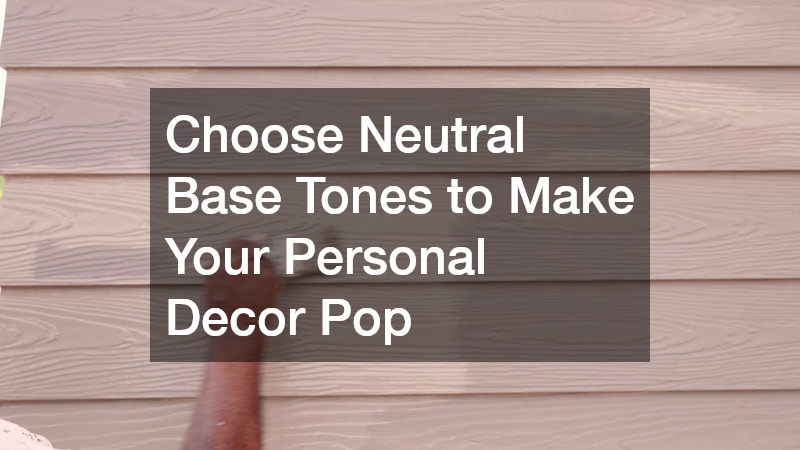
The facade of your home is the backdrop for your personal decoration. If your siding is an outdated color or shows weathering, it competes with your decorative accents. When selecting a color palette for your home’s body, choose timeless, sophisticated neutral tones. Muted earth tones, warm charcoals, soft greys, and creamy whites are versatile and provide a clean, elegant slate. These base colors won’t clash with vibrant winter themes, bright spring banners, or fiery autumn palettes.
To achieve a balanced look, use the 60-30-10 color rule for your exterior. Sixty percent should be your dominant siding color, thirty percent for trim and garage doors, and ten percent for an accent color, such as on your front door or shutters. This accent is where you can express personality without overwhelming. Ensure window frames and sashes are not overlooked. Weathered window trim breaks visual harmony. Cleanly painted window frames highlight interior holiday candles or exterior flower boxes like a matte border in a picture frame.
Executing a flawless exterior paint job requires massive amounts of preparation, specialized equipment, and knowledge of material science. While DIY projects are tempting, partnering with professional exterior painting contractors ensures a flawless, weather-resistant finish that will endure harsh sun and freezing winters for years to come. These specialists know how to repair underlying wood rot, power-wash surface contaminants, and apply premium elastomeric coatings that won’t crack under stress. For the intricate, detailed work required around your windows, utilizing a specialized window painting service will prevent messy overspray, protect your window tracks, and ensure a tight, beautiful seal that keeps your home energy-efficient while looking exceptionally sharp.
- Commit to the 60-30-10 Rule: Use neutrals for the majority of the surface area, and save bold, trendy colors for small, easily changeable details like the front door.
- Test Paint Samples Outdoors: Paint large sample boards and view them on different sides of your house during morning, noon, and evening light before finalizing your choice.
- Inspect Trims for Damage: Check all wooden trim pieces for softness or moisture damage before applying paint, as trapping moisture guarantees future peeling.
- Prioritize Surface Preparation: Ensure all old, flaking paint is thoroughly scraped, sanded, and primed with high-quality binding primers to create an unbreakable bond for the topcoat.
Layer Your Outdoor Lights for Safety, Drama, and Festivity

Lighting is a powerful design tool for changing your home’s exterior mood. A single floodlight can create dark shadows and blind visitors. To personalize your home’s nighttime atmosphere, layer light effectively: use ambient lighting for general visibility, task lighting for safety on walkways and stairs, and accent lighting to highlight architectural features and natural elements. Blending these layers adds depth, warmth, and a welcoming ambiance.
Modern lighting technology allows easy customization for holidays and events. Smart, low-voltage LED lights enable you to adjust color via a smartphone app—think pink for Valentine’s, orange for Halloween, or blue for a summer evening. For holiday lighting lovers who dread hanging strings, discrete, permanent track lighting under the roofline offers a brilliant and customizable solution.
Designing a robust, permanent outdoor electrical system requires navigating complex safety codes and weather-resistance ratings. A poorly planned lighting installation will result in tripped breakers, water intrusion, or dangerous short circuits. To safely handle the increased power loads of your everyday lights alongside your heavy seasonal displays, you must avoid running endless chains of orange extension cords across your lawn. Consulting and hiring certified electrical contractors is the safest and most efficient way to install dedicated, weather-proof GFCI outlets in your eaves, garden beds, and porch ceilings, ensuring your festive displays run reliably and safely through heavy rain and snow.
- Implement Low-Voltage Systems: Opt for 12-volt LED systems for your garden beds and walkways, as they consume a fraction of the energy and are much safer for households with pets and children.
- Hide the Light Sources: Position uplights and spot fixtures behind low shrubs or rocks so that observers see the beautiful glow on the house or tree, rather than the bright light bulb itself.
- Install Smart Zone Timers: Use smart astronomical timers that automatically adjust your lighting schedules based on seasonal sunset times, saving energy and maximizing impact.
- Incorporate Ground Outlets: Place heavy-duty, locking weatherproof outlet boxes at strategic intervals along your property lines to eliminate hazardous, unsightly cross-lawn cords.
Define Your Property Boundaries and Frame Your Main Walkways

The boundaries of your land act as the frame for your residential canvas. Fences, gates, and rooflines influence the perception of your home’s scale, shape, and style. Your perimeter fence can be a design feature. A front fence can serve as an outdoor gallery wall. A classic picket or iron fence supports hanging flower baskets, garlands, corn stalks, or wreaths. Decorative post caps or lights make your perimeter a warm introduction to your decorating style.
Your vertical boundaries frame your canvas, while the roofline crowns your home’s architecture. The roof, a large visible surface, influences how your decor is received. A roof with algae streaks, missing shingles, or moss clumps diminishes its appearance. Keeping your roof clean and sound gives your property a polished look, enhancing your decor.
Building and maintaining these heavy structural elements requires specialized knowledge and skilled craftsmanship. Working alongside experienced fence contractors allows you to design and construct a stable, plumb, and architecturally appropriate boundary that matches the era of your home while offering the exact level of privacy and decorative potential you desire. Similarly, you cannot afford to ignore the health of your roof while decorating your home’s exterior. If your shingles are curling, leaking, or aging poorly, investing in professional roofing services will protect your underlying structure, improve your energy efficiency, and provide a pristine, beautiful top frame for your seasonal lighting arrays and festive chimney displays.
- Match Architectural Eras: Choose fence materials and styles that complement your home’s design—such as wrought iron for traditional styles or horizontal wood slats for modern homes.
- Incorporate Gate Hardpoints: Ensure your primary entry gates are built with reinforced hardware so they can support the weight of large, heavy holiday wreaths without sagging.
- Keep Gutters Clear: Clean your gutters at least twice a year to prevent water overflow from staining your siding and ruining your lower-level foundation decorations.
- Schedule Annual Roof Inspections: Have your roof checked for minor shingle damage or moss growth before the cold holiday season, preventing leaks while you install decorations.
Transform Driveways and Porch Floors into Sleek, Welcoming Paths
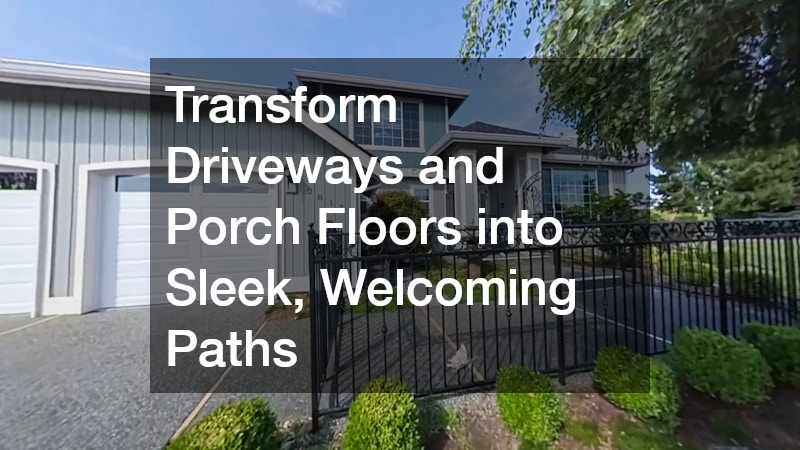
The often overlooked ground layer of a home exterior includes your driveway, walkway, and porch floor, guiding guests into your home. Cracked, uneven, oil-stained, or crumbling surfaces disrupt the visual harmony of your decorations and landscaping. A beautiful entryway should guide the eye to your decorated front door and porch area. Upgrading hardscaping removes distractions, creating a premium surface that enhances everything on it.
Consider your front porch or patio an outdoor living room. The flooring affects the area’s comfort and elegance. Standard concrete can look cold or get stained. Applying a protective finish adds sophistication, enhancing outdoor rugs, furniture, and planters. Similarly, a sleek, black driveway contrasts with lawns and snow, modernizing and maintaining the property’s appeal.
Achieving these pristine ground-level surfaces requires heavy machinery, professional-grade compounds, and precise application techniques. If your driveway is riddled with deep potholes, spiderweb cracks, or failing sub-base layers, hiring a highly reviewed asphalt paving company is the ideal path to completely reset your home’s ground-level aesthetic. They can rip out old, failed surfaces and lay down a perfectly graded, smooth tarmac that drains water correctly away from your displays. To finish the look on your pedestrian paths, giving your front stoop, walkway, or patio a high-end concrete coating protects the stone from freeze-thaw damage while adding an elegant, non-slip sheen that highlights your beautiful entryway decorations.
- Seal Hardscape Surfaces Early: Seal your asphalt and concrete surfaces before the winter frost hits to prevent water from entering micro-cracks and causing expensive potholes.
- Design for Correct Drainage: Ensure all hardscape installations slope gently away from your home’s foundation to protect your basement and lower-level landscape lighting.
- Select Non-Slip Textures: When coating porch steps or walkways, opt for options infused with subtle grit to maintain reliable traction during rainy or icy conditions.
- Keep Paths Clear of Heavy Stains: Clean oil drips and leaf stains from your walkways immediately using eco-friendly degreasers to keep your decorative path looking spotless.
Designing your home’s exterior for personalized decoration is an incredibly rewarding journey that blends structural home improvement with creative, individual artistry. True curb appeal is no longer about forcing your home into a generic, cookie-cutter mold that blends seamlessly into a sea of suburban monotony. Instead, it is about taking ownership of your environment and creating a durable, well-thought-out foundation where your personal taste can shine safely and brilliantly throughout the year. By taking the time to plan your structural elements, you ensure that every seasonal wreath, string of lights, and unique lawn sculpture looks completely integrated into a masterful design.
As you look forward to transforming your property into a personal sanctuary, remember that you do not have to tackle every single zone at once. A wise approach is to pick one foundational layer to improve this coming weekend. You might begin by mapping out a new garden layout that leaves room for your seasonal displays, or perhaps you will schedule a professional consultation to update your home’s base colors or fix an aging walkway. By investing in the permanent health, safety, and beauty of your home’s exterior features, you build a timeless canvas that will proudly tell your family’s story and welcome guests to your doorstep for many years to come.