
Your home is likely your largest financial asset, but it is far more than a static piece of real estate. From a structural perspective, a house is a complex ecosystem of interconnected systems, structural barriers, and mechanical networks. The roof protects the walls, the walls shield the interior framing, the framing supports the foundation, and mechanical systems regulate the internal climate to prevent environmental decay.
The greatest mistake a homeowner can make is adopting a reactive mindset—waiting for something to fail catastrophically before addressing it. A small, ignored issue, such as a hairline fracture in an exterior wall, a slightly clogged gutter, or a subtle rattling in the air conditioner, rarely stays small. Over time, these minor anomalies compound, leading to severe structural compromise, wood rot, mold infestations, and astronomical repair bills.
True home maintenance is a proactive, systematic discipline. It requires regular inspection, timely interventions, and a willingness to partner with specialized professionals when a task exceeds the scope of standard DIY maintenance. By understanding how your home fights off the elements and handles wear and tear, you can transform your property management strategy from a series of stressful emergencies into a predictable, value-preserving routine.
Fortifying the Building Envelope: Shielding Against the Elements
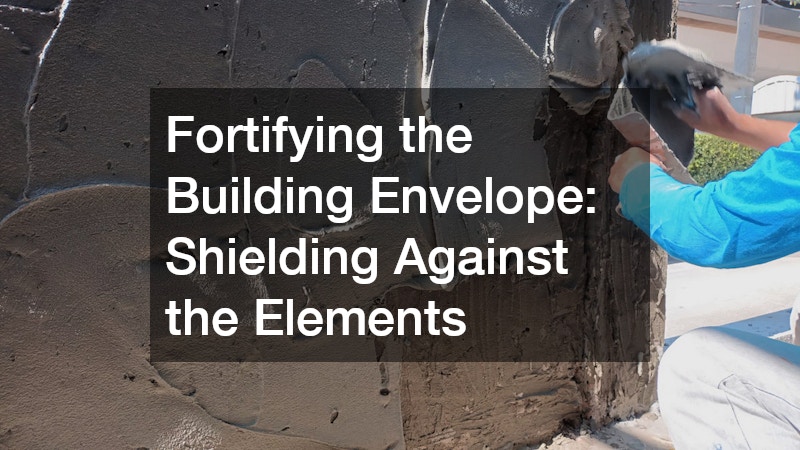
The building envelope is your home’s first line of defense. It comprises the exterior walls, siding, insulation, and windows that separate your conditioned indoor living space from the harsh, unpredictable outdoor environment. When the envelope is breached, moisture enters, energy efficiency plummets, and the structural lumber holding your home upright begins to degrade.
Routine Maintenance for Specialized Wall Finishes
Exterior finishes do more than provide curb appeal; they are engineered barriers against wind and rain. If your home features a plaster or cement-based exterior, it requires specific monitoring. Over time, ground settling and temperature fluctuations can cause minor cracks. While tiny hairline fractures might seem cosmetic, they allow driving rain to seep behind the finish, where it meets the wooden sheathing.
To maintain these surfaces:
- Conduct a visual sweep every spring, paying close attention to areas around windows, doors, and where the wall meets the foundation.
- Look for bubbling, peeling paint, or dark water stains, which indicate that moisture is already trapped beneath the surface.
- Seal minor, non-structural gaps with a high-quality, flexible masonry sealant to prevent water intrusion.
- Avoid using high-pressure power washers on delicate exteriors, as the intense force can blast holes in the finish or force water deep into the wall cavity.
For complex repairs, localized bulging, or widespread cracking, attempting a DIY fix can trap moisture permanently inside the wall. In these scenarios, it is best to consult with experienced stucco contractors who can properly patch the system, ensure correct weeping and flashing, and preserve the breathability of the wall.
Inspecting and Upgrading Exterior Cladding
For homes utilizing vinyl, wood, or composite panels, the exterior cladding must be kept watertight and securely fastened. High winds can loosen panels, creating gaps that invite pests, such as termites and carpenter ants, into your wall cavities. Furthermore, old or poorly installed siding can warp, allowing water to pool against the house wrap.
When evaluating your home’s siding, look for these warning signs:
- Panels that rattle during windy days, indicating loose fasteners.
- Warping, buckling, or waves in the material, which often suggest the product was nailed too tightly or has suffered thermal damage.
- Crumbling or missing caulk joints at the corners and around architectural trim.
If your exterior cladding is severely weathered, cracked, or rotting, patching individual boards may no longer be viable. Completely replacing compromised exterior panels is a major project that requires precise overlapping and flashing. Hiring professional residential siding installers ensures that the vapor barrier, starter strips, and corner posts are integrated flawlessly, preventing wind uplift and keeping your home dry during severe storms.
Water Management and Overhead Defense
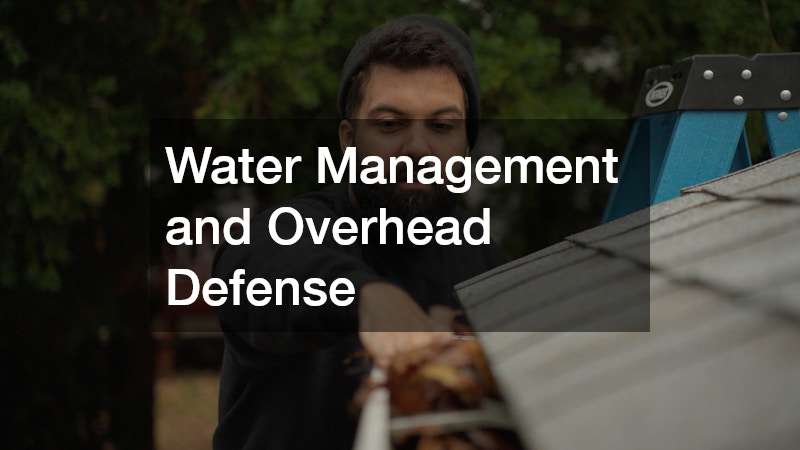
Water is the single greatest enemy of structural integrity. When water sheds incorrectly from a property, it can rot roof decks, destroy fascia boards, and eventually pool at the base of the house, oversaturating the soil and causing the foundation to crack or sink. Effective water management requires a top-down strategy.
Roof Longevity and Early Leak Detection
Your roof bears the brunt of solar radiation, heavy snow loads, and torrential rains. A proactive homeowner should inspect the roof at least twice a year without necessarily climbing onto the shingles. Using a pair of binoculars from the ground allows you to safely spot early signs of failure.
Keep an eye out for these common roof issues:
- Shingles that are curling, cupping, or completely missing after a storm.
- Heavy accumulation of dark granules in your yard or downspouts, which indicates the protective asphalt coating is wearing thin.
- Cracked, rusted, or lifting metal flashing around chimneys, dormers, and roof valleys.
Inside the home, check your attic regularly for water stains on the rafters, damp insulation, or musty odors. A roof leak can travel horizontally along a beam before dripping onto your ceiling, making the source tricky to pinpoint. Engaging a professional roof repair service at the first sign of a leak can save you from a premature, incredibly expensive roof replacement, ensuring that compromised shingles and compromised underlayment are replaced before rot spreads to the structural trusses.
Optimizing Drainage Systems to Protect Foundations
A roof does half the job by shedding water, but the drainage system must carry that water safely away from the house. A standard roof can collect thousands of gallons of water during a heavy downpour. If this water spills over the edge of the roof rather than flowing through a controlled system, it will erode the soil beneath, leading to basement flooding and foundation shifting.
To keep your drainage system operating at peak performance:
- Clear out leaves, twigs, and pine needles at least twice a year, or more frequently if your lot is heavily wooded.
- Verify that downspouts extend at least four to six feet away from your home’s foundation walls, directing water toward a natural slope or a dedicated rain garden.
- Check for sagging or pulling away along the roofline, which indicates that the brackets holding the system are failing under the weight of accumulated debris.
If your current gutters are constantly leaking at the seams, rusting through, or pulling away from the fascia, it is time for an upgrade. Investing in seamless gutter installations provides a continuous, highly efficient drainage system custom-fitted to your roofline. Because seamless systems lack the joints found in sectional DIY kits, they are far less prone to catching debris, leaking, or collapsing under heavy rain or ice loads.
Optimizing Indoor Climate and Air Quality Systems

The mechanical systems inside your home do more than just keep you comfortable; they regulate indoor humidity, prevent stagnant air from breeding mold, and ensure that the home’s interior environment remains stable throughout the shifting seasons.
Preventative Care for Summer Cooling Systems
Air conditioning units work incredibly hard during the humid summer months. When an cooling system runs inefficiently, it fails to properly dehumidify the air, leading to warped wooden floors, peeling wallpaper, and an environment ripe for mold growth.
Homeowners can perform several simple tasks to support their cooling systems:
- Change the return air filters every 30 to 90 days, depending on whether you have pets, to maintain unrestricted airflow.
- Keep the outdoor condenser unit clear of tall grass, weeds, leaves, and overhanging brush to allow proper heat dissipation.
- Inspect the condensate drain line to ensure it is dripping freely and not backed up into the house.
If you notice that your system is short-cycling, blowing lukewarm air, making loud screeching noises, or causing your energy bills to spike unexpectedly, internal components are likely failing. Scheduling timely ac repairs with a certified technician can resolve issues like low refrigerant levels, faulty capacitors, or failing fan motors before the entire compressor burns out in the dead of summer.
Managing Winter Heating and Ductwork Efficiency
When winter arrives, the focus shifts to heating efficiency and maintaining clean, safe indoor air. A malfunctioning heating system not only leaves your family shivering, but it can also lead to frozen, burst water pipes that cause catastrophic interior flooding.
To prepare your heating system for the winter freeze:
- Test your thermostat and furnace safety controls before the first cold snap arrives.
- Vacuum away dust and debris around the furnace burners and heat exchangers to prevent fire hazards.
- Ensure all carbon monoxide detectors are functioning perfectly, as a cracked heat exchanger can leak deadly, odorless gases into your living space.
If your furnace is blowing cold air, cycling constantly, or emitting a strange burning smell, you should immediately contact a heating repair service to inspect the ignition system, burners, and heat exchanger for safety and operational efficiency.
Furthermore, do not ignore the hidden network of supply and return vents running through your walls and floors. Over the years, dust, pet dander, construction debris, and even mold can accumulate inside these channels, reducing system efficiency and polluting your indoor air. Booking a professional duct cleaning company to thoroughly sanitize and vacuum out the ventilation system will improve airflow, reduce wear and tear on your HVAC components, and ensure that the air circulating through your home is healthy and clean.
Managing the Surrounding Property and Curb Assets

The structural integrity of a home does not stop at the exterior walls. The surrounding landscape, trees, driveways, and walkways play an integral role in protecting your house from physical impacts, soil erosion, and misdirected water runoff.
Proactive Tree and Vegetation Management
Large trees add immense beauty and shade to a property, but they can pose a massive threat if left unmanaged. During severe storms, heavy winds, or ice accumulation, dead or weakened tree limbs can snap, crashing through roofs, smashing siding, or tearing down power lines.
Monitor the trees on your property for these red flags:
- Branches that hang directly over your roofline, which can scrape away shingle granules or drop excess leaves that clog your gutters.
- Trees with hollow trunks, deep vertical cracks, or large fungal growths near the base, indicating internal rot.
- Deeply encroaching root systems that can push against foundation walls, lift sidewalks, or wrap around underground plumbing lines.
To mitigate these risks, prune back smaller branches that come within ten feet of your structure. However, handling massive limbs or removing unstable trees near structures is incredibly dangerous work. Enlisting professional tree services ensures that hazardous limbs are safely rigged, cut, and lowered without causing damage to your home, outbuildings, or neighboring properties.
Preserving Driveways, Walkways, and Retaining Walls
The paved surfaces surrounding your home act as a watershed. When driveways and walkways are properly graded and sealed, they direct rainwater toward storm drains or designated runoff zones. However, when these surfaces crack and degrade, water seeps underneath, eroding the sub-base and causing the ground to shift unpredictably.
Consider these pavement preservation tips:
- Sealcoat asphalt surfaces every two to three years to protect the bitumen from UV degradation and water penetration.
- Route out and fill cracks in concrete or asphalt as soon as they appear to prevent winter freeze-thaw cycles from widening them.
- Ensure that the ground sloping away from your driveway does not direct water back toward your garage door or basement windows.
If your driveway is riddled with deep potholes, alligator cracking, or severe sinking, simple patches will no longer suffice. Complete resurfacing or rebuilding through professional residential asphalt paving is necessary to establish a solid gravel sub-base and a smooth, perfectly sloped surface that repels water.
For sloped yards, multi-level lawns, or properties facing soil erosion challenges, incorporating professional hardscaping services can make a massive difference. Well-engineered retaining walls, interlocking paver pathways, and properly sloped patios not only enhance the visual appeal of your landscape but also structurally manage earth movement and groundwater, keeping your foundation dry and secure.
Maintaining the structural and functional integrity of a home requires a balance of consistent homeowner vigilance and professional expertise. By breaking down your property into manageable systems—the exterior building envelope, overhead water drainage, internal mechanical networks, and the surrounding landscape—you can easily keep track of necessary upkeep.
Every proactive step you take, whether it is clearing out a downspout, patching a minor wall crack, or tuning up an HVAC unit before a seasonal shift, serves to protect your financial investment. Transitioning from a reactive mindset to a preventative lifestyle eliminates the stress of sudden home emergencies and ensures that your property remains a safe, comfortable, and valuable sanctuary for many years to come. Start by making a simple walkthrough of your property today, note the areas that require attention, and build a network of trusted professionals to help you keep your home in peak condition.